Essential Tips for Understanding Teeth Whitening Methods and Results
Teeth whitening is a cosmetic dental procedure designed to make natural teeth appear lighter by reducing stains and discoloration. It is one of the most widely discussed areas of cosmetic dentistry because tooth color can change over time due to food, beverages, tobacco exposure, aging, and certain medications. Modern teeth whitening techniques use different ingredients and application methods to improve the appearance of tooth enamel.
Natural teeth are not always perfectly white. Their color depends on several factors, including enamel thickness, dentin color, genetics, and everyday habits. Some people naturally have slightly yellow or grey teeth, while others develop visible stains throughout adulthood.
There are two broad categories of tooth discoloration:
Extrinsic stains: These develop on the outer surface of teeth, commonly from coffee, tea, red wine, tobacco, and strongly pigmented foods.
Intrinsic stains: These occur within the tooth structure and may result from aging, dental trauma, certain medications, or developmental conditions.
Teeth whitening treatments generally use peroxide-based ingredients to break down stain compounds. Hydrogen peroxide and carbamide peroxide are two commonly discussed whitening agents in professional dentistry.
The main approaches include:
Professional in-office teeth whitening.
Dentist-supervised take-home whitening trays.
Over-the-counter whitening strips and gels.
Whitening toothpaste designed to reduce surface stains.
Other cosmetic approaches recommended after a dental assessment.
Understanding the differences between these methods helps people evaluate dental whitening options and recognize the importance of oral health before cosmetic treatment.
Why Teeth Whitening Matters Today
Interest in cosmetic dentistry has grown alongside greater awareness of dental appearance, personal grooming, and oral health. Digital communication, professional photography, and social media have also increased public attention toward smile aesthetics.
However, teeth whitening is not only about appearance. Understanding tooth discoloration can help people recognize when a change in tooth color may require a dental examination.
Appearance and personal confidence
Tooth discoloration can influence how people feel about their smiles. Cosmetic dental treatments aim to address appearance-related concerns, although individual expectations and results vary.
Understanding dental discoloration
Not every stain responds to whitening products in the same way. Surface stains may improve with whitening toothpaste or peroxide-based treatments, while deeper discoloration may require professional evaluation.
Preventing unnecessary treatment
A dental examination can identify problems that should be addressed before whitening. These may include:
Untreated tooth decay.
Gum inflammation or periodontal disease.
Cracked or damaged teeth.
Exposed tooth roots.
Existing dental restorations that differ in color from natural teeth.
Different needs for different age groups
Adults may experience discoloration due to aging, dietary habits, or previous dental treatments. Younger individuals require additional care because tooth development and dental sensitivity can influence treatment suitability.
Teeth whitening should therefore be considered a cosmetic procedure rather than a replacement for routine dental hygiene.
Recent Developments and Trends in Teeth Whitening
Developments in cosmetic dentistry during 2025 and 2026 have continued to focus on treatment personalization, ingredient safety, digital dental assessment, and patient education.
1. Greater attention to peroxide concentration
Hydrogen peroxide remains an important ingredient in professional teeth bleaching. Current dental discussions increasingly emphasize appropriate concentrations, application time, and professional supervision.
Higher concentrations do not automatically mean better results. Incorrect application may increase tooth sensitivity and irritate soft tissues.
2. Digital smile assessment
Digital photography and intraoral scanning are increasingly used in cosmetic dental planning. These technologies help dental professionals document existing tooth shades and evaluate changes during treatment.
Digital shade assessment can also help explain why crowns, veneers, and fillings may not respond to whitening in the same way as natural enamel.
3. Growing interest in sensitivity management
Tooth sensitivity is one of the most commonly discussed side effects of peroxide-based whitening.
Dental professionals may consider factors such as existing sensitivity, enamel condition, treatment duration, and whitening concentration when planning an appropriate approach.
4. Research into alternative whitening ingredients
Research continues into materials such as hydroxyapatite, calcium-based compounds, and other formulations intended to support enamel care or reduce surface staining.
However, these ingredients should not automatically be considered equivalent to established peroxide-based bleaching agents. Their whitening effectiveness depends on the formulation and available clinical evidence.
5. More attention to misleading whitening claims
Consumers are increasingly encouraged to distinguish between cosmetic whitening, stain removal, and genuine dental bleaching.
Terms such as instant whitening, permanent white teeth, and enamel-safe for everyone should be evaluated carefully rather than accepted as universal claims.
Overall, modern teeth whitening is moving toward more individualized dental assessments and clearer communication about realistic outcomes.
Teeth Whitening Laws, Regulations and Safety Policies
Teeth whitening regulations differ between countries because governments use different standards for cosmetic products, dental practice, ingredient concentrations, and consumer protection.
These rules are intended to reduce the risks associated with inappropriate chemical concentrations, incorrect application, and unqualified treatment.
European Union regulations
The European Union regulates hydrogen peroxide in tooth whitening products under the Cosmetics Regulation (EC) No. 1223/2009.
The main requirements include:
Products containing up to 0.1% hydrogen peroxide can be supplied directly to consumers under the applicable cosmetic rules.
Products containing more than 0.1% and up to 6% hydrogen peroxide are restricted to supply through dental practitioners.
The first application during each treatment cycle must be performed by a dental practitioner or under appropriate direct supervision.
Products in the restricted concentration range must not be used on individuals under 18 years of age.
These requirements help establish a distinction between ordinary oral hygiene products and stronger dental bleaching preparations.
United States regulations
In the United States, the Food and Drug Administration (FDA) oversees cosmetic products and certain products classified as drugs.
Products intended primarily to improve appearance are generally regulated as cosmetics. Products intended to treat or prevent disease may fall under different regulatory requirements.
Cosmetic manufacturers have responsibility for product safety and appropriate labeling. Consumers should distinguish between cosmetic whitening claims and claims involving medical treatment.
United Kingdom regulations
In the United Kingdom, teeth whitening is subject to restrictions involving hydrogen peroxide concentration and professional dental supervision.
The British Dental Association explains that products containing more than 0.1% and up to 6% hydrogen peroxide can only be supplied through dental practitioners following an appropriate clinical examination.
India's cosmetic product framework
In India, cosmetic products are regulated under the Drugs and Cosmetics Act, 1940, and the Cosmetics Rules, 2020. The Central Drugs Standard Control Organisation (CDSCO) oversees relevant national regulatory responsibilities, including cosmetic imports and applicable licensing requirements.
Manufacturers and importers must follow the applicable product safety, quality, and labeling requirements. Consumers should check product information and avoid unauthorised cosmetic preparations.
Important safety considerations
Regardless of location, people should consider the following precautions:
Obtain a dental examination before stronger whitening treatments.
Follow the manufacturer's instructions for approved consumer products.
Avoid excessive or repeated peroxide exposure.
Do not apply household bleaching chemicals to teeth.
Seek dental advice if sensitivity or gum irritation persists.
Teeth Whitening Tools and Helpful Resources
Several tools and resources help people understand tooth discoloration, compare whitening methods, and maintain good oral hygiene.
1. Dental shade guides
Purpose: Dental shade guides help identify and record natural tooth colors. Dentists use standardized shade references to assess discoloration and monitor cosmetic treatment outcomes.
2. Digital smile assessment tools
Purpose: Digital photography and intraoral scanning help document tooth appearance. These technologies can support cosmetic dentistry planning and shade comparisons.
3. Whitening ingredient checklists
Purpose: Product ingredient lists help consumers identify hydrogen peroxide, carbamide peroxide, and other whitening ingredients. Concentration and intended use should be reviewed carefully.
4. Oral hygiene tracking applications
Purpose: Dental care applications can provide reminders for brushing, flossing, and routine dental appointments. Examples include Brush DJ and Oral-B.
5. Dental information resources
Useful educational organizations and resources include:
American Dental Association (ADA): Information about oral hygiene and cosmetic dentistry.
National Health Service (NHS): Guidance on teeth whitening, treatment methods, and potential side effects.
British Dental Association (BDA): Professional guidance on dental whitening regulations.
Central Drugs Standard Control Organisation (CDSCO): Information about India's cosmetic product regulations.
European Chemicals Agency (ECHA): Regulatory information about restricted cosmetic ingredients.
Comparison of Common Teeth Whitening Methods
Whitening method | Main purpose | Important consideration |
|---|---|---|
Professional bleaching | Reduces natural tooth discoloration | Requires dental assessment |
Whitening strips | Helps reduce certain stains | Follow product instructions |
Whitening toothpaste | Removes some surface stains | Does not necessarily bleach teeth |
Whitening gel | Uses active whitening ingredients | Concentration matters |
Custom whitening trays | Supports controlled home treatment | Dentist supervision may be appropriate |
Digital shade assessment | Records tooth color | Does not whiten teeth |
Understanding Common Whitening Ingredients
Ingredient | Common application | Main function |
|---|---|---|
Hydrogen peroxide | Professional and consumer whitening | Breaks down stain compounds |
Carbamide peroxide | Whitening gels and trays | Releases hydrogen peroxide |
Silica | Whitening toothpaste | Helps remove surface stains |
Hydroxyapatite | Oral care formulations | Supports enamel-related care |
The effectiveness of a whitening product depends on its ingredients, formulation, concentration, and correct application.
Frequently Asked Questions About Teeth Whitening
1. How does professional teeth whitening work?
Professional teeth whitening generally uses hydrogen peroxide or carbamide peroxide to break down compounds responsible for tooth discoloration. A dentist evaluates the condition of the teeth and gums before selecting an appropriate treatment method. Results vary according to the original tooth shade, stain type, and treatment approach.
2. What is the difference between hydrogen peroxide and carbamide peroxide?
Hydrogen peroxide acts directly as a bleaching ingredient. Carbamide peroxide gradually releases hydrogen peroxide when it breaks down. Both ingredients are used in dental whitening preparations, but their concentrations and application times differ.
3. Can teeth whitening cause sensitivity?
Yes. Temporary tooth sensitivity is a recognized side effect of peroxide-based whitening. Some individuals may also experience gum irritation or soft-tissue discomfort. Sensitivity often improves after treatment ends, but persistent discomfort should be assessed by a dental professional.
4. How long do teeth whitening results last?
The duration of whitening results varies between individuals. Dietary habits, tobacco exposure, oral hygiene, natural aging, and the original discoloration can influence how long teeth maintain their lighter appearance. Regular dental hygiene and appropriate follow-up care can help maintain results.
5. Are whitening toothpaste products the same as professional dental bleaching?
No. Whitening toothpaste primarily helps remove certain surface stains through polishing ingredients and other formulation components. Professional dental bleaching uses active chemical ingredients to change the appearance of discoloration within natural teeth. These approaches have different purposes and levels of effectiveness.
Conclusion
Teeth whitening is an established area of cosmetic dentistry that focuses on reducing tooth discoloration and improving the appearance of natural teeth. Different approaches, including professional bleaching, whitening strips, toothpaste, gels, and custom trays, address different types of staining and individual requirements.
Understanding hydrogen peroxide, carbamide peroxide, enamel condition, tooth sensitivity, and dental whitening regulations is important when evaluating available methods. Professional assessment can help identify underlying dental problems and determine whether cosmetic whitening is appropriate.
Recent developments in digital dentistry, ingredient research, and sensitivity management continue to influence the field. However, whitening results are not identical for everyone, and no treatment guarantees permanently white teeth.
A balanced understanding of cosmetic dentistry, product ingredients, oral hygiene, and applicable regulations helps people make informed decisions about teeth whitening while keeping dental health a priority.

Related Post...

Fitness Trackers and Gadgets: Key Insights Into Modern Wearable Technology
Updated: November 02, 2026
Read More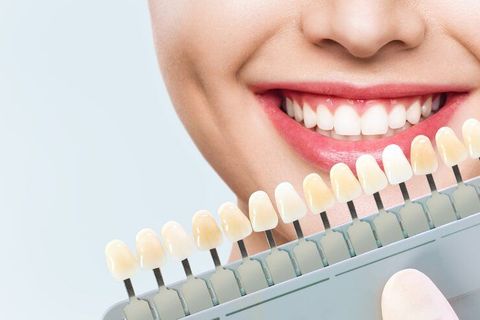
Essential Tips for Understanding Teeth Whitening Methods and Results
Updated: November 02, 2026
Read More
Skin Tightening Methods: Tips for Understanding Skin Firmness and Elasticity
Updated: October 29, 2026
Read More