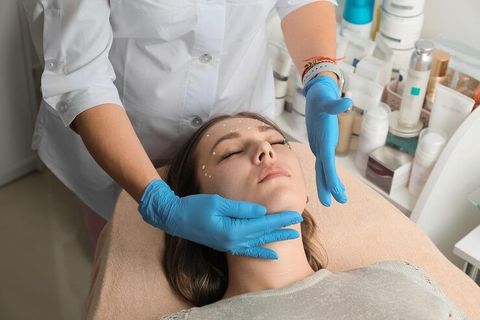
Skin Tightening Methods: Tips for Understanding Skin Firmness and Elasticity
Skin tightening methods include a range of skincare practices and medical procedures designed to improve the appearance of loose skin, fine lines, and age-related changes. These approaches vary in their mechanisms, expected results, recovery periods, and potential risks. Understanding the available options helps people make informed decisions based on their skin concerns and general health.
What Is Skin Tightening?
Skin tightening refers to techniques intended to improve skin firmness and elasticity. Skin naturally changes over time as collagen and elastin, two important structural proteins, gradually decline. Collagen helps provide strength, while elastin allows the skin to stretch and return toward its original shape.
Sun exposure, aging, genetics, significant weight changes, and pregnancy can also contribute to changes in skin texture and firmness. These changes may appear on the face, neck, abdomen, arms, or other areas of the body.
Skin tightening methods generally fall into three categories:
Non-invasive procedures: Treatments using energy-based technologies, such as radiofrequency and ultrasound, without surgical incisions.
Minimally invasive procedures: Techniques that involve small skin punctures or controlled tissue injury, including certain forms of microneedling.
Non-procedural approaches: Skincare products and daily habits that support the skin barrier, hydration, and protection against environmental damage.
No single approach works equally well for everyone. Results depend on factors such as the degree of skin laxity, the treatment area, individual health, and the technology used.
How Collagen and Elastin Influence Skin Firmness
Collagen and elastin are found within the dermis, the layer beneath the skin's surface. Their structure supports firmness, flexibility, and resilience.
Some aesthetic procedures use controlled heat or microscopic skin injury to stimulate tissue remodeling. The body gradually responds to these controlled changes, which may improve the appearance of skin over time.
However, these methods do not stop the natural aging process. They also cannot consistently reproduce the degree of tightening achieved through surgical procedures when skin laxity is substantial.
Why Skin Tightening Matters Today
Common Causes of Skin Laxity
Changes in skin firmness can affect people at different ages. While aging is a major factor, other influences may contribute to visible changes.
Common factors include:
Natural reductions in collagen production with age.
Ultraviolet radiation from sunlight and tanning devices.
Rapid or substantial weight changes.
Hormonal changes and pregnancy.
Genetic differences in skin structure.
Smoking, environmental exposure, and certain lifestyle factors.
Understanding the underlying cause helps determine which approach may be appropriate. For example, dehydration can make fine lines appear more noticeable, whereas excess loose skin following major weight changes may require a different assessment.
Benefits and Limitations of Different Approaches
Skin tightening procedures may improve mild to moderate skin laxity, texture, or the appearance of fine lines. Some treatments are primarily intended to improve surface texture, while others target deeper tissue layers.
People researching skin tightening treatments, collagen stimulation, non-surgical skin rejuvenation, and facial skin laxity should distinguish between improvements in skin quality and actual removal of excess skin.
| Approach | Main purpose | Important consideration |
|---|---|---|
| Radiofrequency | Heat-based tissue remodeling | Requires appropriate device settings and professional assessment |
| Ultrasound-based treatment | Targets selected deeper tissue layers | Results vary with the device and treatment area |
| Laser treatment | Improves selected surface and deeper skin concerns | Pigmentation and burn risks depend on the technology and skin type |
| Microneedling | Stimulates a wound-healing response | Infection, scarring, and pigmentation changes are possible |
| Topical retinoids | Support skin renewal and improve some signs of photoaging | Irritation and sun sensitivity may occur |
| Moisturizers and sunscreen | Support hydration and reduce UV-related damage | Do not remove significant loose skin |
These approaches serve different purposes and should not be considered interchangeable.
Modern Skin Tightening Techniques and Recent Developments
Radiofrequency Skin Tightening
Radiofrequency (RF) technology delivers electrical energy that generates heat within targeted tissues. The controlled heating is intended to influence collagen structure and stimulate remodeling.
Non-invasive RF procedures are used for selected facial and body concerns. Treatment response depends on the equipment, energy settings, practitioner expertise, and individual characteristics.
Possible temporary effects include redness, swelling, tenderness, and discomfort. More serious complications can occur, particularly when devices are used improperly or without appropriate training.
Radiofrequency microneedling combines tiny needles with RF energy delivered into the skin. It differs from non-invasive RF because the needles penetrate the skin, creating additional risks that require careful consideration.
Ultrasound-Based Skin Tightening
Certain focused ultrasound technologies deliver energy to selected tissue depths. The resulting thermal effect is intended to stimulate a healing response and gradual tissue remodeling.
These procedures are used for selected concerns involving the face, jawline, neck, and other treatment areas, depending on the device's authorized purpose.
Outcomes are variable, and some individuals experience limited visible improvement. Discomfort, swelling, bruising, or temporary nerve-related symptoms may occur. The technology and its approved indications should be verified before treatment.
Laser Skin Resurfacing and Tightening
Laser treatments use concentrated light energy to target specific structures in the skin. Depending on the laser, treatment may focus on surface irregularities, pigmentation, wrinkles, or deeper remodeling.
Ablative lasers remove controlled layers of skin, while non-ablative technologies heat underlying tissue without removing the entire surface layer. Fractional systems treat selected microscopic areas while leaving surrounding tissue relatively intact.
Recovery varies considerably. Some procedures cause temporary redness, while more intensive treatments may involve prolonged healing and a greater risk of infection, scarring, or pigmentation changes.
Microneedling and Topical Skincare
Traditional microneedling creates small punctures intended to stimulate the skin's natural healing response. It may help improve selected texture concerns, including some acne scars, but it is not equivalent to a surgical skin-lifting procedure.
Topical skincare can support the appearance and health of the skin. Moisturizers help maintain hydration, sunscreen protects against ultraviolet radiation, and certain retinoid products may improve fine wrinkles associated with photoaging.
These products generally provide gradual, limited changes rather than substantial tightening of loose skin. Stronger prescription ingredients require guidance from a qualified healthcare professional.
Recent Updates in 2025–2026
An important development in aesthetic dermatology has been increased attention to the safety of energy-based devices.
On October 15, 2025, the United States Food and Drug Administration (FDA) issued a safety communication about radiofrequency microneedling. It reported serious complications associated with certain uses of these devices, including burns, scarring, unwanted fat loss, disfigurement, and nerve damage. The FDA also noted that some injuries required medical intervention or surgical repair.
In April 2026, a systematic review published in the Journal of Cosmetic Dermatology examined research on radiofrequency microneedling for facial rejuvenation. It reported improvements in selected aesthetic outcomes across the studies reviewed, while highlighting the importance of evaluating the available evidence alongside safety concerns. Findings from clinical studies do not guarantee an individual's results.
These developments reinforce several principles:
Aesthetic procedures should be evaluated as medical interventions, not risk-free beauty routines.
Device authorization for one purpose does not establish suitability for every treatment area or concern.
Practitioner training, appropriate patient selection, and accurate information about complications remain important.
New research should be interpreted alongside safety communications and the limitations of available evidence.
Laws, Regulations, and Patient Safety Policies
Medical Device Regulation in the United States
The FDA regulates medical devices according to their intended use and applicable authorization requirements. Some aesthetic devices receive clearance or authorization for specific indications, but this does not mean that every possible use has been evaluated or approved.
The FDA's October 2025 communication specifically advises that RF microneedling is a medical procedure and should not be performed at home. It recommends seeking a licensed healthcare provider with appropriate training and experience.
Before a procedure, individuals should ask about:
The device's regulatory status and intended use.
The practitioner's qualifications and relevant experience.
Potential complications and realistic treatment outcomes.
Aftercare instructions and arrangements for managing complications.
Regulations in Other Countries
Medical device regulation differs between countries. In the European Union, medical devices are subject to the applicable Medical Device Regulation framework. In India, relevant medical devices and clinical establishments are governed by applicable national and state requirements.
Regulatory status, professional licensing, and rules governing aesthetic procedures can differ by device and location. Consumers should verify current local requirements rather than assume that authorization in one country applies elsewhere.
Advertising rules also matter. Health-related claims should be accurate, supported by appropriate evidence, and not imply guaranteed outcomes. Claims about permanent skin tightening or dramatic results should be treated cautiously when they are not adequately supported.
Tools and Resources for Informed Decisions
Skin Assessment and Treatment Planning
Several types of resources can help people understand their options and prepare for a professional consultation.
Skin assessment: A dermatologist can assess skin laxity, texture, pigmentation, medical history, and relevant risk factors.
Treatment comparison worksheet: Record the procedure's purpose, expected results, recovery period, potential complications, and follow-up requirements.
Skincare tracking diary: Track products, irritation, sun exposure, and changes in skin texture over time.
Medical device databases: Official regulatory databases can help verify a device's authorized indications and regulatory status.
Clinical research databases: Published studies and systematic reviews help explain the available evidence and its limitations.
Questions to Ask Before a Procedure
A structured consultation can help clarify whether a procedure is appropriate.
What specific skin concern is this procedure intended to address?
What level of improvement is realistic for my situation?
What are the short-term and long-term risks?
How long might recovery take, and what aftercare is required?
What alternatives are available if the procedure is unsuitable?
Avoid making a decision based solely on promotional photographs or testimonials. Individual results vary, and images may not reflect typical outcomes.
Frequently Asked Questions
What Is the Most Effective Skin Tightening Method?
There is no single best method for everyone. The appropriate approach depends on the degree of skin laxity, treatment area, medical history, and desired outcome. Mild concerns may respond to skincare or selected non-invasive procedures, while substantial excess skin may require surgical evaluation.
Can Skin Tightening Methods Work Without Surgery?
Some radiofrequency and ultrasound procedures may improve mild to moderate skin laxity without surgical incisions. Results vary, and non-surgical methods generally cannot remove substantial excess skin. A qualified clinician can explain the expected benefits and limitations of each technique.
How Long Do Skin Tightening Results Last?
Results depend on the method, individual response, aging, sun exposure, and lifestyle factors. Improvements may develop gradually over several weeks or months, and their duration varies. No procedure permanently stops natural changes in skin firmness.
Are Radiofrequency Microneedling Procedures Safe?
These procedures can cause side effects, and serious complications have been reported. The FDA's October 2025 safety communication identified risks including burns, scarring, fat loss, and nerve damage. Professional assessment, appropriate training, and careful discussion of risks are essential.
Can Skincare Products Tighten Loose Skin?
Moisturizers can improve hydration and make fine lines less noticeable. Sunscreen helps prevent further UV-related damage, while certain retinoids may improve signs of photoaging. However, topical skincare generally cannot remove significant excess skin or reproduce the effects of a surgical lift.
Conclusion
Skin tightening methods range from everyday skincare to advanced energy-based procedures. Radiofrequency, focused ultrasound, laser treatments, microneedling, and topical products each have different purposes, limitations, and safety considerations.
The most appropriate approach depends on individual skin concerns, medical suitability, and realistic expectations. Recent developments in medical device safety also highlight the importance of checking regulatory information and consulting qualified healthcare professionals before undergoing a procedure.
A balanced understanding of skin tightening techniques, collagen stimulation, aesthetic dermatology, and non-surgical skin rejuvenation helps readers evaluate available information without relying on exaggerated claims. Protecting the skin from excessive sun exposure and maintaining a consistent skincare routine remain useful foundations for long-term skin health.

Related Post...

Discover the Basics of Low-Carb Diets and How They Fit Into Everyday Meals
Updated: October 26, 2026
Read More
Explore Common Spine Disorders, Symptoms, and Available Treatment Options
Updated: October 28, 2026
Read More
Discover How Yoga Therapy May Support Balance, Flexibility, and Daily Wellness
Updated: October 26, 2026
Read More