Electric Grid Innovation Overview: Discover New Developments in Power Infrastructure
Electric grid innovation is transforming how electricity is generated, transmitted, distributed, and managed. Traditional electricity networks were primarily designed to deliver power from large generating stations to homes, businesses, and industrial facilities. However, growing electricity demand, renewable energy adoption, electric vehicles, and digital technologies are changing the requirements of modern power systems.
Modern grid development focuses on improving reliability, flexibility, efficiency, and resilience. Technologies such as smart meters, artificial intelligence, battery energy storage, advanced transmission systems, and automated distribution networks are becoming important parts of this transformation.
Understanding electric grid innovation helps explain how electricity infrastructure is adapting to changing energy requirements and supporting a more connected energy system.
Understanding Modern Electric Grids
An electric grid is an interconnected network that carries electricity from generating facilities to consumers. It generally includes three major components:
Generation: Electricity produced by solar farms, wind turbines, hydroelectric facilities, nuclear plants, and other power sources.
Transmission: High-voltage networks that transport electricity over long distances.
Distribution: Local networks that deliver electricity to residential, commercial, and industrial users.
Traditional grids often rely on centralized electricity generation and relatively predictable consumption patterns. Modern grids must also accommodate decentralized renewable generation, changing demand, and two-way electricity flows.
Electric grid innovation introduces technologies that allow these networks to respond more effectively to changing conditions.
What Is Smart Grid Technology?
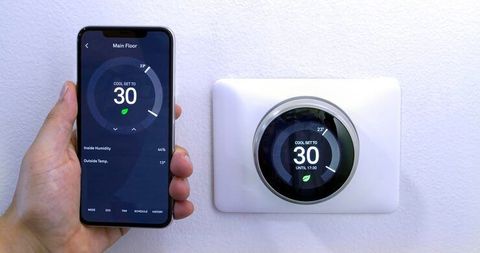
Smart grid technology combines electricity infrastructure with digital communication, sensors, automation, and data analysis.
These systems help electricity operators monitor network conditions and respond to disruptions more quickly. Smart meters, automated substations, advanced monitoring equipment, and grid management software are examples of technologies used in smart electricity networks.
Some important smart grid capabilities include:
Real-time electricity monitoring.
Automated fault detection and isolation.
Demand response management.
Renewable energy integration.
Advanced electricity consumption analysis.
Improved coordination between generation and distribution networks.
These developments help create electricity networks that are more adaptable than conventional infrastructure.
Why Electric Grid Innovation Is Important
Electricity has become essential to transportation, communication, manufacturing, healthcare, education, and everyday activities. As electricity consumption increases, existing infrastructure must accommodate new demand while maintaining stable power delivery.
Electric grid innovation addresses several important challenges.
1. Growing Electricity Demand
Electric vehicles, artificial intelligence data centres, industrial automation, and modern buildings require increasing amounts of electricity. Grid modernization helps operators manage changing consumption patterns and plan network expansion.
2. Renewable Energy Integration
Solar and wind generation depend on weather conditions. Their electricity production can change throughout the day, creating challenges for balancing supply and demand.
Smart grid technology, battery storage, and advanced forecasting help manage these variations.
3. Electricity Reliability
Power interruptions can affect hospitals, communication networks, manufacturing facilities, and households. Automated monitoring and fault detection can help operators identify network problems and restore electricity more efficiently.
4. Energy Efficiency
Advanced electricity meters and monitoring systems provide information about consumption patterns. This helps households, businesses, and electricity operators understand energy usage and identify opportunities for improved efficiency.
5. Climate and Environmental Goals
Modern grids can support greater renewable electricity generation, including solar, wind, and hydropower. Better transmission infrastructure also helps move electricity from renewable generation locations to areas with higher demand.
Major Technologies Transforming Electricity Networks
Several technologies are influencing the development of modern electricity infrastructure.
Technology | Main function | Potential benefit |
|---|---|---|
Smart meters | Measure electricity consumption digitally | Better energy monitoring |
Battery storage | Store electricity for later use | Improved grid flexibility |
AI grid management | Analyse electricity network data | Better operational decisions |
HVDC transmission | Transport electricity over long distances | Efficient power transfer |
Digital substations | Monitor and control electrical equipment | Faster fault identification |
Microgrids | Manage local electricity networks | Improved local resilience |
Demand response | Adjust electricity consumption patterns | Better demand balancing |
Artificial Intelligence in Grid Management
Artificial intelligence is becoming an important part of electricity network modernization. AI-based systems can examine historical consumption, weather conditions, equipment performance, and generation forecasts.
These systems can support:
Electricity demand forecasting.
Predictive equipment maintenance.
Renewable generation forecasting.
Network congestion identification.
Automated operational planning.
However, AI recommendations require appropriate engineering oversight, reliable data, and cybersecurity protection.
Battery Energy Storage Systems
Battery energy storage systems capture electricity and release it when required. They can support renewable energy integration by storing excess solar or wind generation and supplying electricity during periods of higher demand.
Grid-scale batteries can also support frequency regulation and reduce pressure on transmission networks.
Advanced Transmission Infrastructure
High-voltage direct current (HVDC) transmission is used to transport large amounts of electricity over long distances. It is particularly relevant when connecting remote renewable energy facilities with major electricity consumption centres.
Other developments include advanced conductors, dynamic line rating, flexible power-flow equipment, and upgraded substations.
These technologies can improve the use of existing transmission infrastructure and support additional electricity movement.
Recent Developments and Industry Trends
Electric grid innovation has received increasing attention during 2025 and 2026 as electricity demand, renewable generation, and data centre expansion create new infrastructure requirements.
International Energy Agency Grid Findings
In its Electricity 2026 analysis, the International Energy Agency highlighted electricity grid capacity as a major challenge for connecting new generation, storage, and large electricity consumers.
The report identified more than 2,500 GW of renewable energy, storage, and large-load projects waiting in grid connection queues worldwide. It also highlighted the importance of faster grid upgrades, regulatory improvements, and better utilization of existing infrastructure.
Baltic Electricity System Synchronisation
In February 2025, the Baltic electricity systems completed synchronisation with the Continental European electricity network. This was an important development in regional electricity integration, operational coordination, and energy infrastructure security.
India's Transmission Expansion Plans
On March 23, 2026, India's Ministry of Power reported plans to strengthen transmission infrastructure for integrating more than 500 GW of renewable energy capacity by 2030.
The National Electricity Plan also envisages expanding the transmission network to approximately 6.48 lakh circuit kilometres by 2032. These developments are intended to support renewable electricity movement and growing national demand.
Growth of Battery Storage
Battery energy storage is gaining importance in grid planning. India's March 2026 policy update highlighted battery storage and pumped-storage development as important measures for managing renewable energy variability and maintaining electricity stability.
Emerging Trends in Electric Grid Innovation
Other developments shaping the industry include:
Virtual Power Plants: Coordinate distributed energy resources such as rooftop solar, batteries, and controllable electricity demand.
Vehicle-to-Grid Technology: Allows compatible electric vehicles to return stored electricity to the grid under appropriate technical arrangements.
Grid-Enhancing Technologies: Improve the utilization of existing transmission networks through advanced monitoring and power-flow management.
Digital Twins: Create digital representations of physical electricity infrastructure for simulation, planning, and performance analysis.
Microgrid Development: Supports localized electricity management in industrial facilities, campuses, communities, and remote locations.
These technologies are developing at different rates across countries, depending on infrastructure readiness, regulations, and technical requirements.
Laws, Regulations, and Government Policies
Electric grid innovation is influenced by national electricity laws, technical standards, renewable energy policies, environmental regulations, and cybersecurity requirements. Regulations differ between countries because electricity markets and infrastructure are managed under different legal systems.
India
India's electricity sector operates under the Electricity Act, 2003, which establishes the legal framework for electricity generation, transmission, distribution, and regulation.
Important policy initiatives include:
National Electricity Plan: Provides long-term planning for electricity generation and transmission infrastructure.
Green Energy Corridor: Supports transmission infrastructure for integrating renewable electricity into the national grid.
Revamped Distribution Sector Scheme (RDSS): Focuses on improving distribution infrastructure, reducing technical losses, and strengthening electricity distribution networks.
Smart Metering Initiatives: Encourage digital metering and improved electricity consumption monitoring.
Energy Storage Policies: Support battery storage and pumped-storage development for better grid flexibility.
The Central Electricity Authority (CEA), Ministry of Power, Central Electricity Regulatory Commission (CERC), and State Electricity Regulatory Commissions have important regulatory and planning responsibilities.
United States
The United States has established policies supporting electricity grid modernization through the Energy Independence and Security Act of 2007.
Its smart grid framework emphasizes:
Digital monitoring and control systems.
Improved electricity network reliability.
Renewable energy integration.
Demand response technologies.
Grid cybersecurity.
Federal and state authorities also influence transmission planning, electricity market operations, and infrastructure development.
European Union
European electricity policy emphasizes cross-border electricity connections, renewable energy integration, energy efficiency, and improved electricity market coordination.
The EU's electricity market framework and Renewable Energy Directive provide important policy foundations for modernizing energy infrastructure.
Cross-border transmission development is particularly important because it allows electricity networks to exchange power and coordinate renewable generation across countries.
Why Regulatory Compliance Matters
Electricity network operators and technology developers must consider:
Electrical safety and equipment standards.
Grid connection and interconnection requirements.
Data protection and cybersecurity rules.
Environmental approvals.
Renewable energy integration standards.
Electricity market and operational regulations.
Understanding these requirements helps ensure that grid modernization projects follow applicable national and regional rules.
Tools and Resources for Electric Grid Innovation
Several digital platforms, technical resources, and analytical tools help researchers, engineers, electricity planners, and energy professionals understand modern electricity networks.
Tool or resource | Main purpose |
|---|---|
HOMER Pro | Microgrid and distributed energy system modelling |
OpenDSS | Electric distribution system simulation |
DIgSILENT PowerFactory | Power system analysis and grid planning |
MATLAB/Simulink | Electrical system modelling and simulation |
EnergyPLAN | Energy system analysis and scenario planning |
NREL System Advisor Model (SAM) | Renewable energy performance modelling |
PVWatts Calculator | Solar electricity production estimation |
Global Energy Monitor | Research on global energy infrastructure |
IEA Energy Data | International energy statistics and analysis |
How These Tools Are Used
Power system engineers use simulation software to examine voltage, frequency, and network stability.
Renewable energy planners use modelling platforms to assess solar and wind generation.
Researchers examine electricity consumption and generation data to understand energy trends.
Grid operators use monitoring and forecasting systems to support network management.
The appropriate tool depends on the project, available data, technical expertise, and required analysis.
Frequently Asked Questions
1. What is electric grid innovation?
Electric grid innovation refers to the development and adoption of modern technologies that improve electricity generation, transmission, distribution, and management. It includes smart meters, AI-based monitoring, battery storage, digital substations, and advanced transmission systems.
2. How does smart grid technology improve electricity networks?
Smart grid technology uses digital communication, sensors, and automated controls to monitor electricity networks. It helps operators identify faults, understand consumption patterns, manage demand, and coordinate renewable electricity generation.
3. Why is battery storage important for modern electric grids?
Battery storage helps balance electricity supply and demand. It can store surplus electricity from renewable sources and release it when generation decreases or consumption increases.
4. How does artificial intelligence support grid modernization?
Artificial intelligence can analyse electricity consumption, weather information, equipment conditions, and generation forecasts. These capabilities support demand forecasting, predictive maintenance, congestion management, and operational planning.
5. What challenges affect electric grid innovation?
Major challenges include ageing infrastructure, transmission congestion, cybersecurity risks, complex regulatory requirements, renewable energy variability, equipment availability, and the time required to develop new transmission networks.
Conclusion
Electric grid innovation is an important part of the global energy transition. Increasing electricity demand, renewable energy development, electric vehicle adoption, and digital infrastructure are creating new requirements for electricity networks.
Smart grid technology, artificial intelligence, battery energy storage, HVDC transmission, digital substations, and microgrids are helping modernize traditional power systems.
Government policies, technical standards, and infrastructure planning will continue to influence how quickly these technologies develop. Although challenges such as grid congestion, cybersecurity, and infrastructure limitations remain, continued innovation can support more reliable, flexible, and efficient electricity networks.
Understanding these developments provides useful insight into the future of electricity infrastructure and the technologies shaping the global energy sector.

Related Post...

Explore Smart Sensors and Actuators: Technology, Applications, and Uses
Updated: November 03, 2026
Read More
Electric Grid Innovation Overview: Discover New Developments in Power Infrastructure
Updated: November 24, 2026
Read More
AI Marketing Automation Basics: Key Strategies, Trends, and Applications
Updated: November 24, 2026
Read More