Topaz Jewellery Tips for Choosing Elegant Styles for Different Occasions
Topaz jewellery features a gemstone valued for its range of colours, clarity, and versatility in decorative designs. Topaz is a naturally occurring mineral composed of aluminium, silicon, oxygen, and fluorine, with the chemical formula Al₂SiO₄(F,OH)₂. It is used in rings, necklaces, earrings, bracelets, pendants, and other forms of fine gemstone jewellery.
Natural topaz can occur in colourless, yellow, golden, brown, pink, and blue shades. Some colours are less common in nature, while many blue topaz gemstones available in jewellery are produced by treating suitable material, typically through irradiation followed by heat treatment. These treatments can change a gemstone's appearance without changing its identity as topaz.
Common Types and Colours of Topaz
Topaz jewellery is often described by the colour of the gemstone. Understanding these varieties helps consumers compare appearance, rarity, and gemological characteristics.
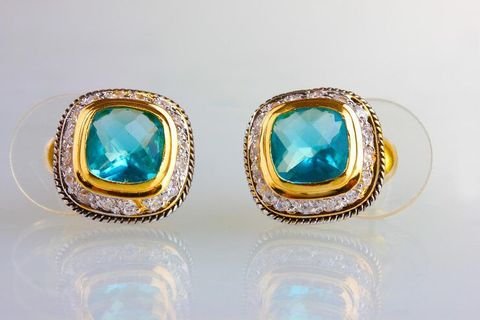
Blue topaz: Usually produced through treatment and available in pale sky blue, medium Swiss blue, and deeper London blue shades.
Imperial topaz: A recognised trade name associated with pinkish-orange, orange, and golden-orange colours, traditionally linked with Brazilian material.
White or colourless topaz: A transparent variety used in minimalist designs and sometimes as an alternative to other colourless gemstones.
Yellow and golden topaz: Warm-toned varieties that can range from pale yellow to rich golden hues.
Pink topaz: A less common colour that may occur naturally or result from treatment.
Brown topaz: An earthy-coloured variety that can display honey, tea, or darker brown tones.
Topaz is distinct from citrine, quartz, aquamarine, and other gemstones that may have similar colours. Reliable identification depends on gemological examination rather than colour alone.
How Topaz Is Used in Jewellery
Jewellery designers select topaz according to the desired appearance, setting, and intended use. Its hardness of 8 on the Mohs scale makes it relatively resistant to scratching compared with many other gemstones. However, hardness does not mean that it is immune to damage.
Topaz has perfect basal cleavage, meaning a sufficiently strong impact in the wrong direction can cause it to split or chip. Protective settings and careful handling are therefore important, especially for rings and other pieces exposed to frequent contact.
Why Topaz Jewellery Matters Today
Topaz jewellery appeals to people interested in coloured gemstones, personal style, traditional ornaments, and jewellery craftsmanship. Its varied colour range allows designers to create pieces for everyday wear, formal occasions, cultural celebrations, and personal collections.
The gemstone is also relevant to the wider jewellery industry because it can be cut into different shapes and incorporated into a range of metal settings. Its appearance depends on colour, transparency, cut, and the interaction between the gemstone and surrounding materials.
Jewellery Design and Personal Style
Topaz is used in both contemporary and traditional jewellery. Its versatility makes it suitable for different design preferences.
Common design styles include:
Solitaire rings: Feature a single prominent topaz gemstone.
Halo rings: Surround the centre gemstone with smaller accent stones.
Pendant necklaces: Place a topaz gemstone in a simple or decorative metal setting.
Drop earrings: Use elongated or faceted stones to create movement and visual interest.
Gemstone bracelets: Combine topaz stones with precious metals or complementary gemstones.
Geometric jewellery: Use rectangular, oval, pear-shaped, or cushion-cut topaz in modern designs.
Blue topaz is often associated with cool-toned designs, while imperial topaz and golden varieties complement warmer metal colours. These combinations are aesthetic preferences rather than rules.
Understanding Gemstone Quality
Several factors influence how topaz appears and how it performs in jewellery.
Quality factor | What to examine | Why it matters |
|---|---|---|
Colour | Hue, saturation, and consistency | Determines the gemstone's visual character |
Clarity | Visible inclusions and surface features | Influences transparency and appearance |
Cut | Symmetry, proportions, and facets | Affects brilliance and light reflection |
Carat weight | The gemstone's weight | Helps describe its size and mass |
Treatment | Natural colour or documented enhancement | Supports accurate identification and disclosure |
Setting | Metal design and gemstone protection | Influences durability and everyday practicality |
Carat measures gemstone weight, not physical dimensions. Two topaz stones with the same carat weight may appear different in size because their shapes, depths, and proportions vary.
Recent Developments and Trends in Topaz Jewellery
During 2025 and 2026, coloured gemstone jewellery continued to reflect broader preferences for personal expression, distinctive gemstone colours, and adaptable designs. Specific topaz trends can differ across markets, and fashion popularity should not be confused with evidence of gemstone rarity or long-term financial performance.
Colour-Focused Jewellery Designs
Blue topaz remains a recognisable option in coloured gemstone jewellery because it is available in several shades. Designers can combine lighter blue stones with silver-coloured metals or use darker blue stones in more substantial settings.
Warm gemstone colours, including golden yellow and orange, also provide alternatives to conventional blue designs. Jewellery featuring contrasting colours can create visual interest without requiring elaborate settings.
Personalised and Minimalist Designs
Minimalist pendants, understated earrings, and simple gemstone rings remain relevant to contemporary jewellery styling. These designs place greater emphasis on the gemstone's colour and shape.
Personalised jewellery may also incorporate birthstone themes, initials, symbolic motifs, or combinations of different gemstones. Topaz is traditionally associated with November in modern birthstone lists, while blue topaz is sometimes used in December birthstone jewellery traditions.
Greater Attention to Gemstone Transparency
Consumers and jewellery professionals increasingly benefit from clear information about gemstone identity, origin claims, and treatment history. This is particularly relevant for blue topaz, which is commonly treated to achieve commercially familiar shades.
Important information may include:
Whether the gemstone is natural or laboratory-grown.
Whether colour enhancement or other treatment has been applied.
Whether a stated geographic origin has been independently established.
Whether a gemological report is available for verification.
These details help distinguish verified characteristics from marketing descriptions and unsupported claims.
Laws and Policies Affecting Topaz Jewellery
Gemstone jewellery is subject to different legal requirements depending on where it is produced, imported, described, and sold. Rules may cover precious-metal purity, product descriptions, gemstone treatment disclosures, consumer protection, customs documentation, and the use of certification marks.
Jewellery Regulations in India
India has established standards and consumer protection measures relevant to jewellery and gemstone transactions.
Bureau of Indian Standards (BIS): BIS operates hallmarking arrangements for specified precious-metal jewellery. Gold jewellery hallmarking and the associated purity marks are particularly relevant when topaz is set in gold. The gemstone itself is not made BIS-certified simply because its gold setting carries a hallmark.
Consumer Protection Act, 2019: This legislation provides a framework for consumer rights and addresses unfair trade practices and misleading representations. Accurate descriptions of gemstone identity, treatments, metal purity, and certification are important considerations.
Legal Metrology requirements: Applicable packaged-commodity rules may govern specified declarations on packaged jewellery products. Their application depends on the product, packaging, and relevant exemptions.
International Standards and Disclosure
International jewellery markets may apply different requirements to gemstone descriptions, imports, precious-metal marks, and consumer disclosures. In the United States, Federal Trade Commission guidance addresses accurate representations of jewellery and gemstone characteristics. Other jurisdictions maintain their own consumer protection and hallmarking frameworks.
Before relying on a gemstone description, consumers and jewellery professionals should examine the available documentation and determine whether the relevant claim is independently verifiable. A gemstone report can describe identification and detected treatments, but it does not automatically establish every claim about origin, historical ownership, or market value.
Tools and Resources for Understanding Topaz Jewellery
Reliable reference materials and gemological tools can help consumers, jewellery designers, students, and collectors understand topaz characteristics and care requirements.
Useful Gemstone Assessment Tools
10× jeweller's loupe: Helps examine visible inclusions, surface marks, and cutting details. It cannot conclusively identify every gemstone.
Gemstone identification reports: Document the identity and selected characteristics of a gemstone following professional examination.
Gemstone measurement tools: Digital calipers help measure a stone's length, width, and depth.
Jewellery care checklists: Help track cleaning, setting inspections, and storage practices.
Gemstone comparison charts: Explain differences between topaz, quartz, aquamarine, and other visually similar minerals.
Educational Resources
Useful reference organisations include the Gemological Institute of America, the International Gem Society, the Bureau of Indian Standards, and relevant national consumer protection authorities. Their educational materials can help explain gemstone identification, treatment disclosure, jewellery standards, and precious-metal purity.
Frequently Asked Questions
Is topaz a natural gemstone?
Yes. Topaz is a naturally occurring mineral. However, some topaz jewellery may contain treated gemstones, so treatment information should be checked when it is relevant to a purchase or collection.
Is topaz suitable for everyday jewellery?
Topaz has a Mohs hardness of 8, making it relatively resistant to scratches. However, its cleavage makes it vulnerable to splitting or chipping from sharp impacts. Protective settings and careful handling are recommended, particularly for rings.
What is the difference between blue topaz and imperial topaz?
Blue topaz is known for its blue colour, which is commonly achieved through treatment. Imperial topaz generally describes orange, golden-orange, or pinkish-orange material. The varieties differ mainly in colour and the characteristics of the individual gemstone.
How should topaz jewellery be cleaned?
Use lukewarm water, mild soap, and a soft brush when appropriate. Rinse carefully and dry with a soft cloth. Avoid sudden temperature changes, harsh chemicals, and ultrasonic or steam cleaners unless a qualified professional confirms they are suitable for the specific gemstone and setting.
Does topaz require a gemological certificate?
A report is not necessary for every piece of topaz jewellery. However, independent gemological examination can be useful when identity, treatment, or origin is important. The type and detail of documentation available depend on the laboratory and the gemstone examined.
Conclusion
Topaz jewellery combines a broad colour range with versatile design possibilities, making it relevant to contemporary and traditional jewellery styles. Understanding its mineral properties, treatment history, quality factors, and care requirements helps people make informed decisions about gemstone selection and long-term maintenance.
Developments in jewellery design and increased attention to transparent gemstone descriptions also highlight the importance of reliable information. By consulting recognised gemological resources and understanding applicable regulations, consumers and industry professionals can better evaluate topaz jewellery and appreciate its characteristics.

Related Post...
Topaz Jewellery Tips for Choosing Elegant Styles for Different Occasions
Updated: October 26, 2026
Read More
Explore Akoya Pearls: Origins, Unique Luster, and Timeless Beauty
Updated: October 26, 2026
Read More
Discover How Prong Settings Shape Jewellery Design and Enhance Gemstone Appearance
Updated: October 26, 2026
Read More