Discover How Prong Settings Shape Jewellery Design and Enhance Gemstone Appearance
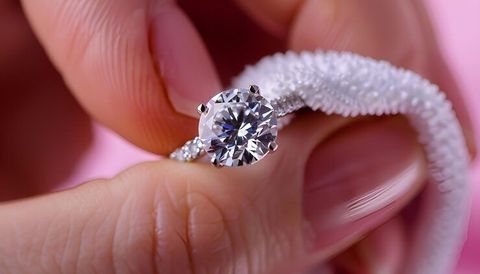
Prong settings are a widely used jewellery setting technique in which small metal claws hold a gemstone securely in place. They are commonly found in diamond engagement rings, wedding jewellery, gemstone pendants, earrings, and other fine jewellery designs. The technique allows a stone to remain visible from multiple angles while the metal structure holds it in position.
A prong setting typically consists of several narrow metal projections that extend over the edges of a gemstone. These projections are shaped and adjusted by a jeweller to secure the stone without covering too much of its surface. The number, shape, thickness, and placement of the prongs depend on the gemstone's dimensions, shape, hardness, and intended use.
How Prong Settings Work
The gemstone rests within a prepared metal seat, while the prongs extend over its edges or selected points. Each prong is carefully positioned to provide support and help prevent the stone from moving.
Common metals used for prong settings include platinum, yellow gold, white gold, and other jewellery alloys. The appropriate metal depends on the design, the gemstone, the wearer's preferences, and the structural requirements of the piece.
Prong settings are especially popular for diamonds because the open structure allows light to enter the stone from different directions. However, the appearance and optical performance of a gemstone also depend on its cut, proportions, clarity, and surrounding design.
Common Types of Prong Settings
Different prong arrangements accommodate different gemstone shapes and jewellery styles.
Four-prong setting: Uses four metal claws and is commonly seen in round and square gemstones. It provides an open appearance with relatively little metal coverage.
Six-prong setting: Uses six claws around the gemstone, providing additional contact points and a traditional appearance for round stones.
Double-prong setting: Places two smaller claws at each selected position, creating a detailed appearance and additional metal contact.
V-prong setting: Uses V-shaped metal tips to protect pointed gemstone corners, particularly in princess-cut, pear-shaped, and marquise-shaped stones.
Claw prong setting: Features narrow, tapered metal tips designed to create a delicate appearance while retaining the gemstone.
Rounded prong setting: Uses rounded metal tips that create a softer visual finish.
The most suitable arrangement depends on the shape of the stone and the intended design. More prongs do not automatically guarantee greater security; the quality of the setting and the condition of the metal remain important.
Why Prong Settings Matter in Jewellery Design
Prong settings influence the appearance, structural stability, comfort, and maintenance requirements of jewellery. Understanding these factors helps jewellery enthusiasts, designers, gemologists, and people choosing diamond rings evaluate different designs more confidently.
Gemstone Visibility and Light Performance
One reason prong settings are widely used is that they leave much of the gemstone exposed. Compared with settings that surround a stone with a continuous metal rim, prong settings generally allow more of its sides to remain visible.
This open structure can emphasize a gemstone's brilliance, color, and overall shape. However, light performance is not determined by the setting alone. The gemstone's optical properties and cutting quality are also important.
Gemstone Security and Everyday Wear
Prongs must hold a gemstone firmly while accommodating the design's normal stresses. If a prong becomes worn, bent, or loose, the stone may move within its setting.
Regular inspections are particularly important for jewellery worn every day, including engagement rings and wedding rings. Activities involving heavy lifting, impact, abrasive materials, or machinery may expose raised gemstones to additional risks.
Comfort and Design Flexibility
Prong settings can accommodate numerous gemstone shapes and jewellery styles. They are used in minimalist solitaire rings, multi-stone designs, halo settings, and elaborate decorative pieces.
Nevertheless, high or sharply finished prongs may catch on clothing or scratch nearby surfaces. Properly shaped tips and suitable setting height can help improve comfort without compromising the gemstone's security.
Recent Trends and Developments in Prong Settings
During 2025 and 2026, jewellery design continued to reflect interest in personalization, distinctive gemstone shapes, mixed-metal designs, and detailed craftsmanship. These are broad design trends rather than evidence of a universal change in jewellery manufacturing standards.
Minimalist and Contemporary Designs
Slim prongs and low-profile settings remain relevant to jewellery designs that emphasize the gemstone rather than the surrounding metal. Some designs use discreet claws to create a visually lighter appearance.
However, excessively thin prongs may be unsuitable for particular gemstones or patterns of wear. A balance between appearance and structural strength is essential.
Alternative Gemstones and Custom Designs
Coloured gemstones, including sapphires, rubies, and emeralds, appear in a variety of prong-set jewellery designs. Their different hardness levels, cleavage characteristics, and sensitivity to heat can affect how they should be secured and maintained.
Custom jewellery designs may also combine different prong shapes or use protective V-prongs at vulnerable corners. The setting must be appropriate for the individual gemstone rather than selected solely for visual appearance.
Technology in Jewellery Manufacturing
Computer-aided design (CAD), three-dimensional modelling, and precision manufacturing techniques help jewellery designers examine prong placement before a piece is completed.
These methods can improve design planning and consistency, but the final result still requires appropriate material selection, accurate finishing, and physical inspection. Digital modelling alone cannot establish that every finished prong is secure.
Laws, Standards, and Consumer Protection
Jewellery regulations vary by country and may address precious-metal purity, hallmarking, gemstone descriptions, product representations, and consumer protection. Prong settings themselves are generally a matter of design and craftsmanship, but claims about the jewellery containing specific metals or gemstones may be regulated.
Jewellery Standards in India
India has a framework for precious-metal hallmarking and consumer protection.
The Bureau of Indian Standards (BIS) administers hallmarking arrangements for specified precious-metal jewellery. Gold jewellery covered by applicable mandatory hallmarking requirements must comply with the relevant rules and exemptions.
Hallmarking primarily concerns the identification and purity of the precious metal. It does not, by itself, certify that a prong setting is structurally secure or that a gemstone is free from defects.
The Consumer Protection Act, 2019 provides a framework addressing consumer rights and misleading representations. Descriptions of jewellery should accurately represent its metal composition, gemstone characteristics, and other material features.
International Jewellery Standards
Other countries may have their own precious-metal hallmarking requirements, gemstone disclosure rules, and consumer protection laws. International gemological laboratories also publish grading reports that describe specified gemstone characteristics.
A gemstone grading report is different from a jewellery workmanship inspection. It may describe a diamond's cut, color, clarity, and other characteristics without guaranteeing the durability of the prongs holding it.
For jewellery intended for regular wear, the setting should be assessed independently of any hallmark or gemstone grading document.
Tools and Resources for Evaluating Prong Settings
Several practical tools can help jewellery owners and professionals assess gemstone settings and maintain jewellery appropriately.
Inspection and Design Tools
Jeweller's loupe: A magnifying tool used to examine prong tips, visible wear, cracks, and the position of a gemstone.
Gemstone measurement tools: Calipers and gauges help establish stone dimensions when planning or evaluating a setting.
Digital jewellery CAD software: Supports three-dimensional modelling and examination of prong geometry.
Gemological reference materials: Explain gemstone hardness, cleavage, durability, and other properties relevant to setting design.
Jewellery inspection checklist: Records the condition of prongs, the gemstone's stability, and the date of each inspection.
A loupe can help identify visible problems, but it cannot reliably establish the strength of every hidden part of a setting. Loose stones and damaged prongs should be assessed by a qualified jewellery professional.
Comparison of Common Prong Settings
| Setting type | Typical arrangement | Main design characteristic |
|---|---|---|
| Four-prong | Four claws | Open appearance and clear gemstone visibility |
| Six-prong | Six claws | Additional contact points around the stone |
| Double-prong | Paired claws at selected positions | Detailed, decorative appearance |
| V-prong | V-shaped protective tips | Coverage for vulnerable pointed corners |
| Rounded prong | Rounded metal tips | Smooth, traditional finish |
These arrangements are not interchangeable in every situation. The gemstone's shape, dimensions, material properties, and intended use determine which design is appropriate.
Basic Jewellery Care
To help maintain prong-set jewellery:
Inspect the setting periodically for visible wear or bent tips.
Avoid wearing raised gemstone jewellery during activities that could cause significant impacts.
Clean jewellery according to the gemstone and metal's care requirements.
Avoid aggressive cleaning methods when the gemstone, treatments, or setting materials are unknown.
Seek professional inspection if the stone moves, a prong catches repeatedly on fabric, or visible damage appears.
Frequently Asked Questions
What is a prong setting in jewellery?
A prong setting uses small metal claws to hold a gemstone in position. It is common in diamond rings, gemstone earrings, pendants, and other jewellery because it leaves much of the stone visible.
Is a four-prong or six-prong setting better?
Neither arrangement is universally better. Four-prong settings can provide an open appearance, while six-prong settings provide additional contact points. The appropriate choice depends on the gemstone's shape, dimensions, design, and intended use.
Do prong settings require regular maintenance?
Yes. Prongs can gradually wear, bend, or loosen through normal use. Periodic inspections help identify problems before a gemstone becomes insecure. The inspection frequency should reflect how often the jewellery is worn and its condition.
Which gemstones can be held in prong settings?
Diamonds, sapphires, rubies, and many other gemstones can be prong-set. However, softer or more fragile gemstones may need additional protection or a different setting design, depending on their physical properties.
Can a prong setting protect a gemstone from damage?
Prongs hold a gemstone in position, but they cannot eliminate the risk of damage. Raised settings and exposed gemstone edges may be vulnerable to impact. Appropriate design, careful wear, and regular maintenance help reduce avoidable risks.
Conclusion
Prong settings are an important part of jewellery design because they combine gemstone visibility with a practical metal structure. Four-prong, six-prong, double-prong, V-prong, and rounded-prong arrangements offer different visual characteristics and levels of coverage.
The right design depends on the gemstone's shape, durability, and intended use, as well as the quality of the metalwork. Trends in minimalist design, coloured gemstones, and digital jewellery modelling continue to influence how prong settings are developed.
Understanding prong construction, applicable jewellery regulations, and routine maintenance can help people evaluate jewellery more effectively. Ultimately, a well-designed prong setting should balance appearance, comfort, gemstone protection, and long-term structural reliability.

Related Post...
Discover How Prong Settings Shape Jewellery Design and Enhance Gemstone Appearance
Updated: October 26, 2026
Read More
Explore Akoya Pearls: Origins, Unique Luster, and Timeless Beauty
Updated: October 26, 2026
Read More
Topaz Jewellery Tips for Choosing Elegant Styles for Different Occasions
Updated: October 26, 2026
Read More