IoT Sensor Networks: Insights into Types, Communication, and Uses
IoT Sensor Networks are groups of connected devices that collect information from their surroundings and communicate it through digital networks. These systems help monitor physical conditions such as temperature, humidity, air quality, movement, pressure, light, and water levels. The collected information can then be processed and used to understand changes in an environment or manage equipment.
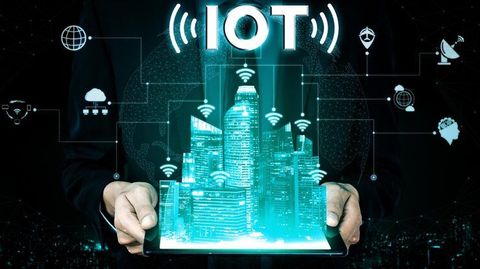
The term Internet of Things (IoT) describes physical objects equipped with sensors, software, and communication technologies that allow them to exchange information. IoT Sensor Networks bring multiple connected sensors together so that information can be gathered from different locations and viewed through a shared system.
How IoT Sensor Networks Developed
The development of IoT Sensor Networks is connected to advances in wireless communication, microelectronics, cloud computing, and data processing. Earlier monitoring systems often depended on people taking measurements manually or using equipment connected through physical cables.
As electronic components became smaller and wireless communication improved, sensors could be installed in buildings, factories, vehicles, agricultural fields, and public infrastructure. These developments made it possible to collect information continuously or at selected intervals.
Today, IoT Sensor Networks are used in many areas, including:
Smart buildings: Monitoring indoor temperature, lighting, air quality, and occupancy.
Agriculture: Measuring soil moisture, rainfall, temperature, and environmental conditions.
Manufacturing: Observing machine vibration, pressure, temperature, and operating conditions.
Healthcare facilities: Monitoring room conditions and selected equipment measurements.
Transportation: Collecting information about vehicle movement, road conditions, and traffic patterns.
Environmental monitoring: Measuring air pollution, water quality, and weather conditions.
How an IoT Sensor Network Works
An IoT Sensor Network generally operates through four connected stages: data collection, communication, processing, and response.
Data collection: Sensors measure physical conditions in their surroundings.
Communication: The collected information travels through wireless or wired connections.
Data processing: A gateway, local computer, or cloud platform organizes and analyzes the information.
Response: A user or automated system can respond to the information, such as adjusting ventilation or generating an equipment warning.
For example, soil sensors can measure moisture levels at different locations across an agricultural field. The information can be transmitted to a monitoring platform, allowing agricultural workers to understand which areas require attention.
Importance
IoT Sensor Networks matter because they help people and organizations understand what is happening in physical environments without depending entirely on manual observations. They can collect information at regular intervals, identify unusual changes, and make monitoring activities more organized.
Their importance is increasing as buildings, industries, transportation systems, and agricultural operations become more connected. Information collected through sensors can help people understand environmental conditions, equipment performance, and resource usage.
Applications in Everyday Life
IoT technology has several practical applications that affect everyday activities.
Smart homes: Connected sensors can monitor room temperature, detect water leaks, identify movement, and control lighting systems.
Agriculture: Soil moisture and weather sensors help farmers observe field conditions and plan irrigation activities.
Industrial operations: Vibration and temperature sensors can identify unusual equipment conditions before a major interruption occurs.
Environmental protection: Air and water monitoring networks collect information about pollution and changing environmental conditions.
Healthcare environments: Sensors can monitor temperature, humidity, and other conditions in hospitals, laboratories, and storage areas.
Smart transportation: Roadside sensors can collect information about vehicle movement, traffic density, and road conditions.
Benefits for Organizations and Communities
IoT Sensor Networks can support several important activities:
Continuous monitoring: Sensors can collect measurements throughout the day without requiring constant human observation.
Faster identification of changes: Automated alerts can notify users when measurements move beyond selected limits.
Resource management: Temperature, water, and energy measurements can help identify unnecessary consumption.
Equipment monitoring: Machine sensors can record operating conditions and help maintenance teams understand equipment behavior.
Environmental awareness: Connected monitoring systems can provide information about local environmental conditions.
Challenges and Limitations
Despite their usefulness, IoT Sensor Networks also involve practical challenges. Sensor accuracy can change over time, batteries require replacement or recharging, and wireless connections may become unreliable in certain locations.
Other limitations include:
Data security: Unauthorized access can expose collected information or interfere with connected devices.
Privacy: Sensors installed in public or private spaces may collect information that requires careful handling.
Interoperability: Devices from different manufacturers may use incompatible communication methods.
Network coverage: Remote locations, underground areas, and industrial buildings can experience connectivity difficulties.
Maintenance: Sensors require inspection, calibration, software updates, and occasional replacement.
Data management: Large networks can generate substantial amounts of information that require organized storage and analysis.
Recent Updates
IoT Sensor Networks continue to develop through improvements in wireless communication, artificial intelligence, edge computing, and sensor technology. Recent developments are focused on making connected systems more intelligent, energy-efficient, secure, and capable of working across different environments.
Integration of Artificial Intelligence
Artificial intelligence is increasingly being combined with IoT systems to analyze sensor information. Instead of simply displaying measurements, intelligent systems can identify patterns, detect unusual activity, and estimate possible equipment problems.
For example, industrial sensors can collect vibration and temperature measurements from machinery. An analytical system can examine these readings and identify patterns associated with unusual operating conditions.
Growth of Edge Computing
Edge computing allows information to be processed closer to where it is collected rather than sending every measurement to a distant cloud platform. This approach can reduce communication delays and limit the amount of information transmitted across a network.
It is particularly relevant to industrial monitoring, connected transportation, and environmental systems where timely responses may be important.
Expansion of Low-Power Networks
Low-Power Wide-Area Network (LPWAN) technologies are becoming increasingly relevant for applications that require sensors to communicate over long distances while using relatively little energy.
Two widely recognized technologies include:
LoRaWAN: A communication protocol designed for low-power devices that transmit relatively small amounts of information.
NB-IoT: A cellular-based technology developed for connecting devices that require relatively low data rates and extended coverage.
These technologies are useful in agriculture, water monitoring, smart buildings, and infrastructure management.
Improved Sensor Communication Standards
Recent developments in communication standards are helping connected devices exchange information through more organized technical frameworks. IEEE 1451.1.6-2025, published in February 2026, describes the use of MQTT for networked communication involving smart sensors and related devices. Such developments support structured communication between sensor equipment and connected applications.
The International Telecommunication Union also published a 2026 recommendation describing a reference model for combining artificial intelligence, data processing, and IoT technologies across device, edge, and cloud environments.
Development of More Energy-Efficient Sensors
Research and development are also focused on reducing the energy requirements of connected sensors. Improvements in low-power processors, wireless communication, battery technology, and energy harvesting may help devices operate for longer periods between maintenance activities.
Energy harvesting systems can obtain small amounts of energy from sources such as light, heat, or vibration, depending on the application.
Laws or Policies
IoT Sensor Networks are influenced by regulations covering cybersecurity, personal data, wireless communication, electronic equipment, and environmental protection. The applicable requirements depend on the country, the type of sensor, the information collected, and the intended application.
There is no single worldwide law that governs every IoT sensor deployment. However, several regulatory frameworks influence how connected devices are designed, operated, and maintained.
European Union Regulations
The European Union has introduced regulations addressing the security of connected products and the protection of personal information.
The Cyber Resilience Act, adopted in 2024, establishes cybersecurity requirements for products containing digital components. It addresses secure product development, vulnerability management, and responsibilities throughout a product's expected operating life. Its main requirements are scheduled to apply from December 2027.
The General Data Protection Regulation (GDPR) is also relevant when IoT systems collect or process personal information. Organizations handling identifiable information must follow applicable requirements concerning lawful processing, transparency, data protection, and individual rights.
United States Regulations
In the United States, connected sensor equipment may fall under Federal Communications Commission (FCC) requirements when it uses regulated radio frequencies or transmits wireless signals.
The FCC also established a voluntary cybersecurity labeling program known as the U.S. Cyber Trust Mark for eligible consumer IoT products. The program is intended to help consumers understand the cybersecurity characteristics of connected devices.
Other federal and state privacy and cybersecurity requirements may apply depending on the information collected and the industry involved.
India Regulations
In India, IoT Sensor Networks may be affected by several regulatory frameworks.
Digital Personal Data Protection Act, 2023: Establishes a legal framework for processing digital personal data in India, subject to its applicable provisions and implementation.
Information Technology Act, 2000: Provides a broader legal framework addressing electronic information, cybersecurity-related matters, and certain unauthorized activities.
Telecommunications regulations: Wireless sensor devices must follow applicable spectrum, equipment, and communication requirements.
Environmental regulations: Sensors used for pollution monitoring may be subject to relevant environmental monitoring requirements and technical standards.
The applicable rules depend on the particular equipment, deployment environment, and data processing activities.
Tools and Resources
Several technical tools and platforms help users design, monitor, analyze, and maintain IoT Sensor Networks. Their suitability depends on the network size, communication technology, sensor type, and application.
IoT Monitoring Platforms
IoT platforms organize information collected from connected devices and present it through dashboards, reports, and alerts.
Some recognized platforms include:
Microsoft Azure IoT: Provides cloud-based capabilities for connecting, managing, and monitoring IoT devices.
AWS IoT: Supports connected device management, data collection, and integration with cloud applications.
ThingsBoard: An open-source IoT platform used for device management, data visualization, and monitoring.
Node-RED: A visual programming environment that helps connect devices, applications, and data sources.
Communication and Development Tools
Communication protocols determine how sensors exchange information with gateways and other connected systems.
Common technologies include:
Technology | Main purpose | Typical application |
|---|---|---|
Wi-Fi | Wireless local network communication | Smart buildings |
Bluetooth Low Energy | Short-range, low-energy communication | Wearable sensors |
LoRaWAN | Long-range, low-power communication | Agricultural monitoring |
NB-IoT | Cellular connectivity for connected devices | Utility monitoring |
Zigbee | Low-power communication between devices | Home automation |
MQTT | Lightweight messaging protocol | Sensor data transmission |
Sensor Data Analysis Resources
Data analysis tools help users understand measurements collected from connected devices.
Grafana: Used to create dashboards and visualize time-based sensor information.
InfluxDB: A database designed for storing and querying time-series information.
Python: Supports sensor data analysis, automation, and statistical processing.
Arduino IDE: Helps developers write and upload programs to compatible microcontroller boards.
ESP32 development environment: Supports the development of connected sensor projects using compatible hardware.
These resources are used in educational projects, research environments, industrial monitoring, and connected infrastructure development.
FAQs
What are IoT Sensor Networks?
IoT Sensor Networks are interconnected groups of sensors that collect environmental or operational information and transmit it to other devices or monitoring platforms. They are used to observe conditions such as temperature, humidity, pressure, movement, and air quality.
How do IoT Sensor Networks communicate?
IoT Sensor Networks communicate through wired connections or wireless technologies such as Wi-Fi, Bluetooth, LoRaWAN, Zigbee, and NB-IoT. The communication method depends on the required distance, energy consumption, data volume, and network environment.
What are the main applications of IoT Sensor Networks?
Their main applications include smart agriculture, industrial monitoring, environmental observation, healthcare facilities, smart buildings, transportation, and water management. Each application uses different sensor types depending on the information being collected.
Are IoT Sensor Networks secure?
IoT Sensor Networks can be protected through encryption, device authentication, secure communication protocols, software updates, and network monitoring. However, security depends on proper implementation and ongoing maintenance, and vulnerabilities may still exist.
What is the difference between IoT sensors and IoT gateways?
An IoT sensor measures physical conditions and generates information. An IoT gateway connects sensors with other networks or platforms, sometimes converting communication protocols, filtering information, and managing data transmission.
Conclusion
IoT Sensor Networks connect physical environments with digital monitoring systems through interconnected sensors and communication technologies. Their applications include agriculture, manufacturing, transportation, healthcare environments, and environmental monitoring. Developments in artificial intelligence, edge computing, and wireless communication are expanding their capabilities. At the same time, cybersecurity, privacy, interoperability, and regulatory compliance remain important considerations for connected systems.

Related Post...

Discover How Humanoid Robots Are Reshaping Manufacturing and Industrial Workflows
Updated: November 28, 2026
Read More
Explore Google BigQuery: Key Features, Functions, and Core Concepts
Updated: November 28, 2026
Read More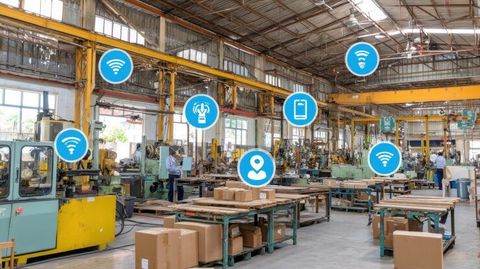
Smart Factory Connectivity Insights for Industry 4.0 and Automation Systems
Updated: November 28, 2026
Read More