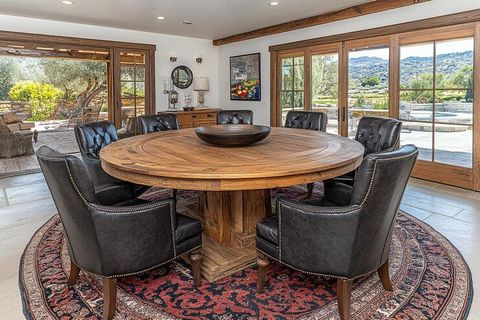
Artisan Wooden Chairs: Insights into Traditional Techniques and Modern Trends
Artisan handcrafted wooden chairs are furniture pieces created primarily through traditional woodworking techniques, skilled craftsmanship, and carefully selected timber. Unlike mass-produced furniture, these chairs often involve individual attention to material selection, cutting, shaping, joining, sanding, and finishing. Each stage contributes to the chair's appearance, structural stability, and overall character.
The practice of handcrafted furniture has developed across different cultures over centuries. Woodworkers have traditionally used locally available timber, regional construction methods, and decorative techniques to create seating for homes, public buildings, and community spaces. Today, these methods continue alongside modern woodworking equipment.
Artisan wooden chairs can include several design categories:
Traditional wooden dining chairs with carved details.
Rustic farmhouse chairs made from solid timber.
Contemporary minimalist chairs with simple geometric shapes.
Windsor-style chairs featuring shaped backs and turned spindles.
Scandinavian-inspired wooden seating with clean lines.
Hand-carved accent chairs featuring decorative elements.
Common Materials Used in Wooden Chair Making
The selection of timber plays an important role in furniture manufacturing. Different wood species have different grain patterns, densities, strengths, and finishing characteristics.
| Wood Type | Main Characteristics | Common Applications |
|---|---|---|
| Oak | Strong and distinctive grain | Dining and traditional chairs |
| Walnut | Rich colour and smooth texture | Contemporary and luxury furniture |
| Teak | Natural oils and dimensional stability | Indoor and outdoor seating |
| Maple | Hard, fine-grained surface | Modern furniture designs |
| Ash | Flexible and visible grain | Bentwood and curved chairs |
| Mahogany | Attractive colour and workability | Classic handcrafted furniture |
The appropriate material depends on the intended environment, construction technique, design requirements, and maintenance expectations.
Importance of Artisan Wooden Furniture in Modern Interiors
Why Handcrafted Chairs Matter Today
Handcrafted wooden chairs remain relevant because they combine practical seating requirements with traditional craftsmanship and individual design. Modern furniture production has increased the availability of standardized designs, but handcrafted pieces provide different construction details and visual characteristics.
Homeowners, interior designers, hospitality planners, and furniture manufacturers consider several factors when selecting wooden seating.
1. Durability and Structural Stability
A well-constructed wooden chair can remain functional for many years when appropriate timber, joints, and finishing methods are used. Traditional joinery techniques, including mortise-and-tenon joints and wooden dowels, help connect structural components.
However, durability depends on material quality, workmanship, environmental conditions, and regular maintenance rather than handcrafted construction alone.
2. Interior Design Flexibility
Artisan furniture can complement different interior design styles. Natural wood colours and grain patterns work with traditional, contemporary, industrial, and Scandinavian-inspired interiors.
Designers may select particular shapes, finishes, and dimensions to maintain visual consistency throughout a room.
3. Cultural Heritage and Traditional Skills
Handcrafted wooden furniture preserves woodworking knowledge passed between generations. Regional carving patterns, turning techniques, and joinery methods represent different cultural traditions.
Supporting responsible craftsmanship can also help maintain specialist skills within local woodworking communities.
4. Environmental Considerations
Solid timber furniture can have a long functional lifespan. Reusable materials, repairable construction, and responsible forestry practices can contribute to more sustainable furniture production.
Nevertheless, environmental performance depends on timber sourcing, transportation, manufacturing methods, finishing materials, and the furniture's complete lifecycle.
Handcrafted Wooden Chairs Compared with Mass-Produced Chairs
| Feature | Artisan Handcrafted Chairs | Mass-Produced Chairs |
|---|---|---|
| Production | Individual or small batches | Large production batches |
| Design | Traditional or customized details | Standardized designs |
| Construction | Hand techniques and machinery | Automated manufacturing |
| Appearance | Natural variations | More consistent appearance |
| Repair | Often suitable for component repairs | Depends on construction |
| Production volume | Generally limited | Generally higher |
Both manufacturing approaches have practical applications. The appropriate choice depends on design preferences, production requirements, material specifications, and intended use.
Recent Updates and Emerging Trends in Wooden Furniture
Sustainability and Responsible Timber Sourcing
During 2025 and 2026, responsible timber sourcing and supply-chain transparency have remained important subjects across the international furniture industry.
Furniture manufacturers increasingly consider certified forestry, recycled timber, reclaimed wood, and documented material origins. These approaches help address concerns about illegal logging, forest degradation, and biodiversity protection.
The Forest Stewardship Council (FSC) and Programme for the Endorsement of Forest Certification (PEFC) provide internationally recognized certification frameworks for responsible forest management and related supply chains.
Growing Interest in Traditional Craftsmanship
Traditional furniture techniques are receiving attention in contemporary interior design. Hand-carved surfaces, visible wood grain, natural finishes, and traditional joinery are appearing alongside modern furniture styles.
Some designers combine hand-finishing with computer-aided design (CAD), CNC woodworking machines, and digital measurement systems. This combination can improve dimensional accuracy while retaining distinctive handcrafted details.
Furniture Production and Digital Technology
Digital technologies are changing how wooden furniture is designed and manufactured.
Important developments include:
3D modelling for chair proportions and structural planning.
CNC cutting for accurately shaped wooden components.
Digital moisture measurement for timber preparation.
Computer-aided design for furniture layouts.
Improved dust extraction and workshop safety equipment.
These technologies support more controlled production while allowing skilled craftspeople to maintain traditional finishing and assembly methods.
Regulatory Developments During 2026
On October 23, 2026, the United States Environmental Protection Agency announced an update to its formaldehyde emission standards for composite wood products. The update adds an internationally recognized small-scale chamber testing method, ISO 12460-2:2024, for quality control.
Although artisan solid-wood chairs may not contain regulated composite wood components, the development is relevant to furniture manufacturers using plywood, particleboard, or medium-density fibreboard in their products.
In Europe, the EU Deforestation Regulation is approaching its application date of December 30, 2026, for large and medium-sized operators. Most micro and small operators have an additional period until June 30, 2027. The regulation includes wood and certain wood-derived products within its scope.
These developments demonstrate the increasing importance of material traceability, indoor air quality, and responsible furniture manufacturing.
Laws, Policies, and Furniture Industry Regulations
Timber Sourcing and Environmental Regulations
Wooden furniture manufacturing is influenced by national forestry laws, timber transportation requirements, environmental regulations, and international trade policies.
The exact requirements depend on the country where timber is harvested, processed, manufactured, and distributed.
European Union
The EU Deforestation Regulation (EUDR) establishes requirements for covered wood products to be legally produced and deforestation-free. Relevant operators must follow applicable due diligence and traceability requirements.
Its implementation dates are:
December 30, 2026: Large and medium-sized operators.
June 30, 2027: Most micro and small operators.
Businesses should determine whether their specific wooden furniture products fall within the regulation's product scope.
United States
The Lacey Act addresses trade in illegally sourced plants and plant products, including regulated wood materials. Importers and other relevant parties may have declaration and compliance responsibilities.
Additionally, the Toxic Substances Control Act (TSCA) Title VI establishes formaldehyde emission requirements for regulated composite wood products, including hardwood plywood, MDF, and particleboard.
Finished furniture containing covered composite wood materials may also be subject to applicable labeling requirements.
India
In India, timber-related activities are influenced by central environmental legislation, state forest regulations, and applicable timber transit requirements.
The Indian Forest Act, 1927, and state-specific forestry rules are relevant to timber movement and forest protection. Requirements can differ according to timber species, source, and location.
Furniture units should also consider applicable factory safety, workplace, environmental, and local establishment regulations.
Product Safety and Quality Considerations
Apart from timber sourcing, wooden furniture manufacturers should consider:
Structural stability and load-bearing performance.
Smooth surfaces and properly finished edges.
Appropriate adhesives and finishing chemicals.
Resistance to moisture and environmental changes.
Relevant furniture safety and testing standards.
Standards developed by organizations such as ASTM International, ISO, and national standards bodies can provide guidance on furniture dimensions, strength, stability, and testing procedures.
Tools and Resources for Wooden Furniture Design
Essential Woodworking Equipment
Artisan furniture production requires suitable equipment for measuring, shaping, joining, and finishing timber.
Common woodworking tools include:
Woodworking chisels: Used for carving, shaping, and traditional joinery.
Hand planes: Help create smooth and even timber surfaces.
Table saws: Used for accurate timber cutting.
Wood routers: Create grooves, decorative edges, and shaped profiles.
Clamps: Hold wooden components together during assembly.
Moisture meters: Measure timber moisture content.
Sanding equipment: Prepares surfaces for finishing.
Appropriate protective equipment, dust extraction, and safe machine operation are important throughout the manufacturing process.
Digital Design and Planning Applications
Modern furniture designers can use digital applications to develop chair structures, visualize proportions, and prepare manufacturing drawings.
| Tool or Resource | Main Purpose |
|---|---|
| SketchUp | 3D furniture modelling |
| Autodesk Fusion | CAD design and product development |
| AutoCAD | Technical drawings and dimensions |
| SolidWorks | Mechanical and structural modelling |
| CNC software | Digital cutting instructions |
| FSC database | Forest certification information |
| PEFC resources | Sustainable forestry information |
| EPA resources | Formaldehyde compliance guidance |
These resources help designers understand technical requirements and improve the planning process.
Timber Selection and Quality Assessment
Before manufacturing begins, timber should be evaluated for moisture, grain direction, knots, cracks, and other natural characteristics.
Important assessment methods include:
Moisture measurement using a calibrated moisture meter.
Visual inspection for visible defects.
Grain examination to determine suitable cutting directions.
Joint testing to evaluate assembly quality.
Surface inspection after sanding and finishing.
Proper material preparation helps reduce warping, cracking, and dimensional changes during furniture production.
Frequently Asked Questions
1. What Makes Artisan Handcrafted Wooden Chairs Different?
Artisan handcrafted chairs are generally produced with individual attention to timber selection, shaping, joinery, and finishing. They may include traditional carving, turned components, and distinctive construction details. However, quality depends on the materials and workmanship rather than the production method alone.
2. Which Wood Is Commonly Used for Handcrafted Chairs?
Oak, walnut, teak, maple, ash, and mahogany are commonly used in wooden furniture. Each species has different strength, appearance, workability, and environmental characteristics. Selection depends on the chair's intended application and design.
3. How Long Can a Handcrafted Wooden Chair Last?
A properly constructed wooden chair can remain functional for decades. Its lifespan depends on timber quality, joint construction, usage, moisture exposure, maintenance, and environmental conditions.
4. Are Handcrafted Wooden Chairs Environmentally Sustainable?
They can support sustainable furniture practices when manufacturers use responsibly sourced timber, durable construction methods, low-emission finishes, and repairable designs. However, handcrafted production does not automatically guarantee environmental sustainability.
5. How Should Wooden Chairs Be Maintained?
Regular dusting, avoiding prolonged moisture exposure, and using appropriate wood-care products can help maintain wooden chairs. Direct sunlight and extreme humidity changes should also be minimized. Maintenance requirements depend on the timber species and surface finish.
Conclusion
Artisan handcrafted wooden chairs represent a combination of traditional woodworking knowledge, material selection, functional design, and contemporary furniture development. Their continued relevance reflects interest in durable furniture, natural materials, cultural craftsmanship, and distinctive interior design.
Modern manufacturing technologies are also creating opportunities to combine traditional techniques with digital planning and precision equipment. At the same time, environmental regulations and responsible forestry initiatives are increasing attention to timber origins, material transparency, and manufacturing practices.
Understanding wood species, construction techniques, furniture quality standards, and maintenance requirements helps consumers, designers, and manufacturers make informed decisions. As furniture design continues to evolve, artisan wooden chairs remain an important example of how traditional craftsmanship can contribute to modern living spaces.

Related Post...

Guide to Ultra-Modern Floating TV Units for Contemporary Living Spaces
Updated: November 04, 2026
Read More
Explore Modern Organic-Shaped Sofas: Designs, Materials, and Interior Trends
Updated: November 04, 2026
Read More
Flexible Open-Shelf Book Towers: Key Insights Into Design and Organization
Updated: November 04, 2026
Read More