pH Neutralization Systems: Key Insights Into Processes, Benefits, and Applications
pH neutralization systems are important components of industrial wastewater treatment and water quality management. They are designed to adjust the acidity or alkalinity of water by adding carefully controlled chemical substances. These systems help bring wastewater within an acceptable pH range before it moves to another treatment stage or is discharged into the environment.
The pH scale measures how acidic or alkaline a liquid is. It generally ranges from 0 to 14, with 7 representing a neutral condition. Values below 7 indicate acidity, while values above 7 indicate alkalinity.
Industrial activities can significantly change the natural pH of water. Manufacturing processes, chemical reactions, metal finishing, textile production, food processing, and pharmaceutical operations can generate wastewater with different chemical characteristics.
A typical pH neutralization system includes several connected components:
Equalization tank: Collects wastewater and helps manage variations in flow and chemical concentration.
pH sensors: Measure the acidity or alkalinity of the wastewater.
Chemical dosing pumps: Introduce controlled quantities of neutralizing chemicals.
Mixing equipment: Helps distribute chemicals throughout the wastewater.
Control panel: Coordinates sensors, pumps, valves, and operating conditions.
Reaction tank: Provides sufficient time for chemical reactions to take place.
Common neutralizing chemicals include sodium hydroxide, calcium hydroxide, sulfuric acid, and hydrochloric acid. The appropriate chemical depends on wastewater composition, treatment objectives, and operational requirements.
Why Industrial pH Neutralization Matters Today
Industrial wastewater management has become increasingly important because manufacturing activities generate large quantities of water containing dissolved substances, chemicals, and other contaminants.
Without appropriate wastewater pH control, acidic or alkaline discharge can negatively affect aquatic ecosystems, damage drainage infrastructure, and interfere with biological treatment processes.
Environmental Protection
Water bodies support aquatic organisms and natural ecosystems. Significant changes in pH can affect fish, microorganisms, and other aquatic life.
Neutralization helps reduce the risks associated with extreme acidity and alkalinity. It also supports broader industrial pollution control and environmental protection activities.
Protection of Industrial Infrastructure
Highly acidic and alkaline wastewater can damage pipes, storage tanks, pumps, and treatment equipment.
Industrial pH control systems help reduce corrosion and chemical deterioration by maintaining suitable operating conditions.
Improved Wastewater Treatment Performance
Many biological wastewater treatment processes depend on suitable pH conditions.
When wastewater becomes excessively acidic or alkaline, microorganisms may become less effective. This can affect biological treatment, organic matter removal, and overall effluent quality.
Regulatory Compliance
Industrial facilities must follow applicable wastewater discharge requirements. Many environmental authorities establish limits for pH and other wastewater characteristics.
Automated pH neutralization systems help facilities monitor wastewater conditions and maintain more consistent treatment performance.
Industries that commonly use these systems include:
Textile and dyeing manufacturing.
Chemical and petrochemical processing.
Pharmaceutical manufacturing.
Metal plating and surface finishing.
Food and beverage production.
Mining and mineral processing.
Paper and pulp manufacturing.
Electronics and semiconductor production.
Recent Developments in pH Neutralization Technology (2025–2026)
Recent developments in industrial wastewater treatment increasingly focus on automation, continuous monitoring, chemical efficiency, and data-driven process management.
AI-Based Wastewater Monitoring
Artificial intelligence and machine learning are becoming more relevant to industrial wastewater treatment.
These technologies can analyze historical pH measurements, chemical consumption, wastewater flow rates, and operating conditions. Predictive models can help operators identify unusual variations and adjust treatment processes.
Research published in 2026 highlights the growing role of AI in real-time wastewater monitoring, predictive control, and operational optimization. However, practical implementation still depends on reliable sensors, suitable data, and regular system validation.
Automated Chemical Dosing Systems
Automated chemical dosing is another important development.
Modern systems combine digital pH sensors, programmable logic controllers (PLCs), dosing pumps, and control software. These components work together to regulate chemical addition according to measured wastewater conditions.
A research study published on 14 August 2025 examined an automated industrial wastewater treatment system integrating PLC technology and a long short-term memory (LSTM) neural network. The research included reagent dosing, pH sensors, and real-time process monitoring.
IoT-Based Remote Monitoring
Internet of Things (IoT) technology allows industrial operators to monitor wastewater parameters through connected equipment.
Depending on system design, monitoring platforms can display:
Current pH measurements.
Chemical dosing activity.
Wastewater flow rates.
Tank levels and operating conditions.
Equipment alarms and maintenance information.
A March 2025 research publication explored an IoT-based approach to real-time industrial wastewater monitoring, reflecting growing interest in connected environmental monitoring technologies.
Digital Control and Predictive Maintenance
Digital monitoring systems can help identify irregular pump operation, sensor drift, and unusual chemical consumption.
Predictive maintenance uses equipment data to identify potential operating problems before they develop into major interruptions.
These developments are particularly relevant to facilities operating continuous wastewater treatment processes.
Environmental Laws and Policies Affecting pH Neutralization Systems
pH neutralization systems are closely connected to environmental regulations because wastewater discharge can affect public health, water quality, and natural ecosystems.
Regulatory requirements differ between countries, industries, and discharge destinations. Facilities must identify the standards applicable to their operations.
India: Water Pollution Control Regulations
In India, industrial wastewater management is primarily governed by the Water (Prevention and Control of Pollution) Act, 1974, and the Environment (Protection) Act, 1986.
The Central Pollution Control Board (CPCB) and State Pollution Control Boards (SPCBs) play important roles in monitoring industrial wastewater and establishing or enforcing applicable environmental requirements.
Industries may need consent from the relevant pollution control authority before establishing or operating regulated industrial activities.
Common Effluent Treatment Plant Standards
The Environment (Protection) Second Amendment Rules, 2024 introduced revised requirements for Common Effluent Treatment Plants (CETPs), with the relevant provisions taking effect on 1 September 2025.
The revised framework includes treated-effluent requirements, including a pH range of 6–9 for specified discharge categories. Applicable requirements depend on the discharge destination and relevant regulatory conditions.
Developments in Industrial Wastewater Regulation in 2026
On 28 January 2026, India's Ministry of Environment, Forest and Climate Change announced changes to the regulatory framework for Common Effluent Treatment Plants.
The announcement included strengthened environmental safeguards, closed-pipeline effluent conveyance, and continuous online monitoring with real-time data connectivity to CPCB and SPCB servers.
International Environmental Frameworks
Other regions also regulate wastewater treatment and discharge.
United States: The Clean Water Act and National Pollutant Discharge Elimination System (NPDES) establish requirements for regulated wastewater discharges. Industrial facilities may also be subject to pretreatment standards.
European Union: The revised Urban Wastewater Treatment Directive (EU) 2024/3019 entered into force on 1 January 2025. It strengthens wastewater collection and treatment requirements and supports improved water quality and resource recovery.
Industrial operators should always check their applicable permits, local discharge standards, and industry-specific environmental requirements.
Important Tools and Resources for pH Neutralization
Several technical tools and digital resources help engineers, environmental professionals, and industrial operators understand wastewater pH control.
1. Industrial pH Meters
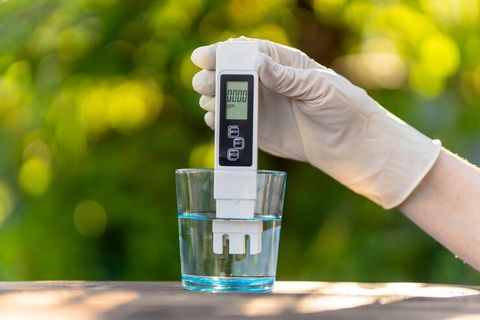
Industrial pH meters measure wastewater acidity and alkalinity. They are available in portable, laboratory, and continuous-monitoring configurations.
2. Online pH Sensors
Online pH sensors provide continuous measurements within wastewater treatment tanks and pipelines. They can communicate with PLC and SCADA systems for automated process control.
3. Chemical Dosing Calculators
Chemical dosing calculators help estimate the quantity of neutralizing chemicals required for a particular wastewater volume.
Calculations should consider chemical concentration, wastewater composition, buffering capacity, and laboratory titration results.
4. SCADA Monitoring Platforms
Supervisory Control and Data Acquisition (SCADA) platforms help operators monitor treatment equipment, review process measurements, and manage automated operations.
5. PLC Control Systems
Programmable logic controllers coordinate chemical dosing pumps, mixing equipment, valves, and sensor signals.
6. Environmental Monitoring Resources
The following organizations provide useful technical and regulatory information:
Central Pollution Control Board (CPCB): Indian environmental monitoring and pollution control information.
United States Environmental Protection Agency (EPA): Wastewater treatment and industrial discharge guidance.
European Environment Agency (EEA): European water quality and environmental information.
World Health Organization (WHO): Water quality and public health guidance.
Comparison of Common pH Neutralization Technologies
Technology | Main Function | Typical Application |
|---|---|---|
Batch neutralization | Treats wastewater in separate batches | Small industrial operations |
Continuous neutralization | Adjusts pH during continuous flow | Large manufacturing plants |
Automated chemical dosing | Controls chemical addition | Industrial effluent treatment |
Inline pH adjustment | Adjusts pH within pipelines | Continuous processing |
PLC-based neutralization | Automates treatment operations | Advanced wastewater facilities |
Selecting an appropriate technology depends on wastewater volume, chemical composition, treatment requirements, and regulatory conditions.
Frequently Asked Questions About pH Neutralization Systems
1. What is the main purpose of a pH neutralization system?
Its main purpose is to adjust acidic or alkaline wastewater toward a suitable pH range. This helps protect treatment equipment, support downstream treatment processes, and meet applicable wastewater discharge requirements.
2. Which chemicals are commonly used for pH neutralization?
Common chemicals include sodium hydroxide, calcium hydroxide, sulfuric acid, and hydrochloric acid. Chemical selection depends on the wastewater characteristics, treatment objectives, and chemical compatibility.
3. How does an automatic pH neutralization system work?
An automatic system uses pH sensors to measure wastewater conditions. A PLC or control unit processes the measurements and regulates chemical dosing pumps. Mixing equipment distributes the chemicals, while continuous measurements help determine whether additional adjustment is necessary.
4. Which industries require industrial wastewater pH control?
Textile manufacturing, chemical processing, pharmaceuticals, metal finishing, mining, food production, and paper manufacturing are examples of industries that may require wastewater pH neutralization.
5. How frequently should pH sensors be calibrated?
Calibration frequency depends on sensor type, wastewater characteristics, operating conditions, and manufacturer recommendations. Regular inspection and calibration using suitable reference buffer solutions help maintain measurement accuracy.
Conclusion
pH neutralization systems play an important role in modern industrial wastewater treatment and environmental protection. By adjusting acidity and alkalinity, these systems help maintain suitable water quality conditions, protect industrial infrastructure, and support effective wastewater processing.
Developments in automated chemical dosing, IoT monitoring, artificial intelligence, and PLC-based control are creating new opportunities for improved treatment management.
At the same time, environmental regulations are encouraging industries to strengthen wastewater monitoring and discharge management.
Understanding pH neutralization technology, chemical dosing methods, monitoring equipment, and environmental compliance requirements can help industrial operators make informed decisions about wastewater treatment infrastructure and long-term water management practices.

Related Post...


Essential Tips for Understanding Road Milling Machines and Their Functions
Updated: November 02, 2026
Read More
Coffee Filling Machines: Key Insights Into Efficiency and Production
Updated: November 02, 2026
Read More