Metal Polishing Machines: Essential Tips for Understanding Performance and Uses
Metal Polishing Machines are important pieces of industrial equipment used to improve the appearance, smoothness, and surface quality of metal components. These machines remove surface imperfections, scratches, oxidation, and unwanted marks through mechanical processes involving abrasive materials, polishing wheels, belts, brushes, or compounds. They are used across manufacturing, automotive production, construction, aerospace, jewellery, and metal fabrication industries.
Metal polishing has developed alongside the growth of metalworking and industrial manufacturing. Traditionally, workers polished metal surfaces manually using files, abrasive papers, brushes, and polishing compounds. Although these methods remain useful for certain applications, industrial production requires more consistent surface finishes and controlled processing. Mechanical polishing equipment was developed to address these requirements.
Today, Metal Polishing Machines are available in different configurations, ranging from compact bench-mounted units to automated production systems. Their operating methods depend on the metal type, component dimensions, surface condition, and required finish.
What Are Metal Polishing Machines?
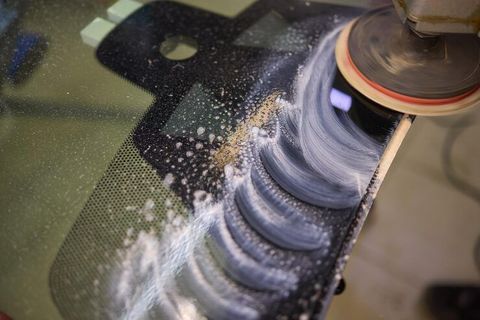
Metal polishing equipment uses controlled friction and abrasive action to refine a metal surface. During operation, a rotating wheel, moving belt, brush, or other polishing component contacts the workpiece and gradually removes small surface irregularities.
The process can produce different finishes, including:
Matte finishes with a soft, non-reflective appearance.
Satin finishes with fine, directional surface patterns.
Brushed finishes with consistent linear marks.
Mirror finishes with high surface reflectivity.
Smooth industrial finishes that prepare components for additional treatments.
How Metal Polishing Developed
Early polishing methods depended heavily on manual labour and individual techniques. As manufacturing expanded, mechanical equipment made it possible to process larger quantities of metal components with greater consistency.
Modern systems incorporate variable-speed motors, adjustable pressure settings, automated feeding arrangements, and electronic controls. These developments have expanded the use of polishing equipment in industries where surface quality, repeatability, and production efficiency are important.
Importance
Metal surface finishing plays an important role in manufacturing because the condition of a metal component can influence its appearance, functionality, durability, and suitability for further processing. Metal Polishing Machines help manufacturers manage surface irregularities that may develop during cutting, grinding, welding, casting, and forming.
These machines affect several industries and everyday products, including household appliances, vehicles, furniture fittings, kitchen equipment, architectural components, and industrial machinery.
Improving Surface Quality
Metal components can develop scratches, burrs, rough edges, and uneven areas during manufacturing. Polishing helps reduce these imperfections and creates a more uniform surface.
A consistent finish is particularly important for visible components, decorative metalwork, and precision-engineered parts. It can also prepare surfaces for processes such as electroplating, coating, and other finishing treatments.
Supporting Manufacturing Consistency
Manual polishing can produce variations because different workers may apply different levels of pressure, movement, and processing time. Mechanical equipment helps standardise these operations through adjustable settings and repeatable working methods.
This is useful in manufacturing environments where multiple components require similar surface characteristics. Automated systems can also reduce the amount of direct manual handling during repetitive operations.
Applications Across Different Industries
Metal polishing equipment supports a wide range of industrial activities.
Automotive manufacturing: Used for refining selected metal fittings, exhaust components, decorative parts, and other metal surfaces.
Aerospace production: Supports finishing operations for approved metal components where surface condition and manufacturing specifications are important.
Construction: Used for polishing stainless steel railings, architectural fittings, metal panels, and structural accessories.
Jewellery manufacturing: Helps refine precious metal components and decorative items.
Food processing equipment: Used to create suitable surface finishes on stainless steel equipment, depending on applicable hygiene requirements.
General engineering: Supports the finishing of machine components, fabricated parts, and metal assemblies.
Challenges Addressed by Polishing Equipment
Metalworking operations can leave behind surface defects that affect subsequent manufacturing stages. Polishing equipment addresses several common challenges, such as:
Uneven surface textures after machining.
Oxidation marks and surface discoloration.
Rough edges and minor imperfections.
Inconsistent appearance across production batches.
Preparation requirements before coating or plating.
However, polishing does not automatically correct structural defects, deep cracks, or dimensional inaccuracies. Such problems require separate inspection and appropriate manufacturing processes.
Recent Updates
Metal Polishing Machines are evolving alongside broader developments in industrial automation, digital manufacturing, workplace safety, and resource management. Current developments during 2024–2026 reflect an increasing interest in controlled finishing processes and improved production monitoring.
Automation and Robotic Polishing
Robotic polishing systems are receiving attention in manufacturing environments where components have complex shapes or require repeated finishing operations. Industrial robots can move polishing tools along programmed paths while maintaining controlled contact with the workpiece.
These systems can reduce repetitive manual handling and support consistent processing. Their effectiveness depends on programming accuracy, component positioning, tool condition, and the quality of process monitoring.
Digital Controls and Process Monitoring
Modern polishing equipment increasingly incorporates electronic controls and monitoring features. Operators can adjust rotational speed, feed movement, and other operating parameters according to the material and finishing requirements.
Some advanced systems also use sensors to monitor vibration, temperature, motor performance, and equipment condition. Such information can help identify unusual operating patterns and support planned maintenance activities.
Development of Abrasive Materials
Abrasive technology continues to develop through improvements in abrasive grains, bonding materials, polishing compounds, and finishing media. Different abrasive materials are designed for specific metals and surface conditions.
Manufacturers are also paying greater attention to abrasive durability, dust generation, and material consumption. Selecting appropriate abrasives remains important because unsuitable materials can cause scratches, contamination, or unwanted surface changes.
Greater Attention to Energy and Workplace Safety
Industrial facilities are increasingly examining electricity consumption, dust extraction, noise reduction, and worker exposure during surface finishing. Equipment designs may include improved enclosures, extraction connections, adjustable controls, and emergency stopping arrangements.
These developments reflect a wider manufacturing trend towards safer and more resource-conscious production environments.
Laws or Policies
Metal Polishing Machines are affected by workplace safety, machinery design, electrical safety, environmental protection, and industrial operating requirements. The exact rules depend on the country, industry, machine configuration, and materials being processed.
There is no single international law covering every aspect of metal polishing equipment. Instead, manufacturers and industrial operators must consider the applicable national regulations and recognised technical standards.
Machinery Safety Requirements
In the European Union, machinery manufacturers must follow applicable machinery safety legislation. The Machinery Directive 2006/42/EC remains the principal framework during the transition to the Machinery Regulation (EU) 2023/1230, which is scheduled to apply from 20 January 2027.
These requirements address machinery design, risk assessment, protective measures, technical documentation, and conformity procedures. Equipment must meet the relevant requirements before being placed on the EU market.
Workplace Safety Regulations
In the United States, the Occupational Safety and Health Administration (OSHA) establishes workplace safety requirements relevant to industrial polishing operations.
Important areas include:
Machine guarding to protect workers from moving parts.
Appropriate protection around rotating equipment.
Safe handling of abrasive wheels and polishing tools.
Electrical safety and emergency stopping arrangements.
Control of airborne dust and workplace exposure.
Appropriate training and personal protective equipment.
Other countries have their own occupational health and safety frameworks covering similar workplace risks.
Environmental and Industrial Requirements
Metal polishing may produce dust, abrasive residue, wastewater, and other industrial waste. Facilities must follow applicable environmental requirements for air emissions, waste handling, and disposal.
Where polishing involves chemical compounds or metal surface treatments, additional rules may apply to chemical storage, worker exposure, and wastewater management.
International Technical Standards
Technical standards can provide guidance on machinery safety, abrasive equipment, risk assessment, and industrial quality management. Standards developed by organisations such as ISO and IEC are commonly used in manufacturing.
However, technical standards are not automatically laws in every country. Their legal status depends on national adoption, industry requirements, and relevant regulatory frameworks.
Tools and Resources
Different tools and technical resources help operators understand polishing processes, select suitable equipment configurations, and maintain consistent production conditions.
Types of Metal Polishing Machines
The equipment used depends on component shape, metal type, production volume, and required surface finish.
| Machine Type | Main Function | Common Applications |
|---|---|---|
| Belt polishing machine | Uses an abrasive belt to refine surfaces | Metal sheets and fabricated parts |
| Bench polishing machine | Uses rotating polishing wheels | Small components and fittings |
| Rotary polishing machine | Uses rotating abrasive or polishing attachments | Metal components and decorative parts |
| Vibratory finishing machine | Uses vibration and finishing media | Small metal components |
| Automated polishing system | Uses programmed mechanical movements | Repetitive industrial production |
| Robotic polishing machine | Uses robotic arms and polishing tools | Complex shapes and precision finishing |
Important Equipment Features
Several technical features influence machine operation and finishing results.
Variable-speed control: Allows operators to adjust rotational speed according to material requirements.
Polishing wheels: Available in different materials and surface characteristics for specific finishing applications.
Abrasive belts: Used for surface preparation, material removal, and directional finishing.
Dust extraction systems: Collect airborne particles generated during certain polishing operations.
Pressure adjustment: Helps regulate contact between the polishing tool and the workpiece.
Emergency stop controls: Allow operators to stop equipment during unsafe operating conditions.
Helpful Technical Resources
The following resources can support general understanding and equipment assessment:
ISO standards catalogue: Provides information about international industrial and machinery standards.
IEC publications: Covers electrical equipment and related safety requirements.
OSHA resources: Explains workplace safety practices and industrial equipment requirements in the United States.
EU machinery legislation: Provides information about machinery safety and conformity requirements within the European Union.
Manufacturer technical manuals: Explain operating procedures, machine specifications, maintenance schedules, and recommended abrasive materials.
Equipment inspection templates: Help record machine condition, maintenance activities, safety checks, and operating observations.
Maintenance and Inspection Considerations
Regular equipment inspection helps identify wear, vibration, loose components, damaged electrical connections, and deterioration of polishing accessories.
Important maintenance activities include checking polishing wheels, inspecting abrasive belts, cleaning suitable machine surfaces, examining protective guards, and confirming that extraction equipment operates correctly.
Maintenance procedures should follow the equipment manufacturer's instructions. Machines should be isolated from their energy sources before maintenance or replacement of components.
FAQs
What Are Metal Polishing Machines Used For?
Metal Polishing Machines are used to improve the surface condition of metal components by reducing scratches, roughness, oxidation marks, and minor imperfections. They are commonly used in automotive manufacturing, construction, jewellery production, and general metal fabrication.
Which Types of Metal Polishing Machines Are Available?
Common types include belt polishing machines, bench polishing machines, rotary polishing equipment, vibratory finishing machines, automated systems, and robotic polishing machines. Each type performs different finishing operations depending on component size, material, and surface requirements.
Can Metal Polishing Machines Process Stainless Steel?
Yes. Many polishing machines are designed to process stainless steel. The appropriate abrasive material, polishing attachment, operating speed, and finishing method depend on the required surface appearance and the characteristics of the stainless steel grade.
What Safety Precautions Are Required When Operating Metal Polishing Machines?
Important precautions include using appropriate machine guards, wearing suitable eye and hearing protection, controlling airborne dust, securing workpieces, and following equipment operating instructions. Workers should also receive relevant training before operating machinery.
What Is the Difference Between Grinding and Metal Polishing?
Grinding generally removes more material and is used to shape components, remove weld irregularities, or prepare rough surfaces. Polishing usually involves finer abrasive action to reduce surface imperfections and create a smoother or more reflective finish.
Conclusion
Metal Polishing Machines play an important role in modern manufacturing by improving the surface condition, appearance, and consistency of metal components. Different machine types support various finishing requirements across automotive, construction, aerospace, jewellery, and general engineering industries. Automation, digital monitoring, improved abrasive materials, and workplace safety considerations continue to influence equipment development. Understanding machine types, operating principles, maintenance requirements, and applicable regulations provides a useful foundation for understanding industrial metal finishing.

Related Post...
Beginner’s Guide to Battery Assembly Machines and Their Role in Manufacturing
Updated: November 04, 2026
Read More
Laser Cutting Machines Overview: Materials, Processes, and Technology Developments
Updated: November 25, 2026
Read More
Essential Insights Into Rail Welding Machines for Track Maintenance and Construction
Updated: November 24, 2026
Read More