Precision engineering focuses on producing components with extremely accurate dimensions, controlled tolerances, and reliable surface finishes. It combines mechanical engineering, computer technology, measurement systems, and advanced manufacturing processes.
Traditional manufacturing methods often depend heavily on manual adjustments and operator experience. Modern machine tools introduce computer-controlled operations that help manufacturers maintain consistent production standards.
Some important technologies used in advanced manufacturing include:
Computer Numerical Control (CNC) Machines: Computer-controlled equipment that performs machining operations according to programmed instructions.
Five-Axis CNC Machining: Advanced machining technology that allows components to be processed from multiple angles.
Computer-Aided Manufacturing (CAM): Software that converts engineering designs into machine instructions.
Laser Cutting Machines: Equipment that uses concentrated laser energy to cut different materials accurately.
Electrical Discharge Machining (EDM): A process that uses electrical discharges to shape electrically conductive materials.
Coordinate Measuring Machines (CMM): Measurement equipment used to inspect component dimensions and geometric accuracy.
These technologies are becoming increasingly important as manufacturers produce more complex components for aerospace, automotive, medical equipment, electronics, energy, and industrial machinery.
Why Precision Engineering Matters to Global Manufacturers
Precision engineering has become a major consideration for manufacturers because modern products require more accurate components and dependable production processes.
Industries such as aerospace and automotive manufacturing frequently work with complex designs, advanced materials, and strict technical specifications. Conventional production methods may struggle to maintain the required accuracy across large production volumes.
Advanced machine tools help address these challenges through automation, improved measurement capabilities, and computer-controlled machining.
Improving Product Quality and Consistency
Manufacturing accuracy directly influences the performance of mechanical components. Small dimensional differences can affect how parts connect, move, or operate.
Modern CNC machining systems help maintain consistent measurements across repeated production cycles. Automated inspection equipment also identifies dimensional variations before components move to the next production stage.
Supporting Complex Industrial Components
Manufacturers increasingly work with materials such as titanium, stainless steel, aluminium alloys, and advanced composites.
These materials are used in demanding applications, including:
Aircraft engine components.
Electric vehicle battery systems.
Industrial turbines and generators.
Medical instruments and equipment.
Semiconductor manufacturing components.
High-performance mechanical assemblies.
Multi-axis machining and specialized cutting technologies help process complex shapes that may be difficult to produce using conventional equipment.
Reducing Production Waste
Material waste is an important consideration in industrial manufacturing. Incorrect machining operations can damage components, increase rejected production, and require additional processing.
Precision CNC machines use programmed tool paths and measurement systems to improve material utilization. Predictive maintenance can also identify equipment problems before they cause unexpected production interruptions.
Supporting Industrial Automation
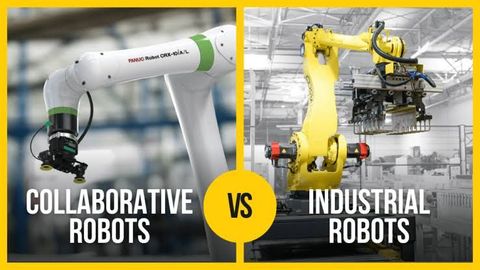
Advanced machine tools increasingly operate alongside industrial robots, automated loading systems, and digital production platforms.
This integration allows manufacturers to coordinate different production activities and monitor machine performance.
The benefits can include:
More consistent manufacturing processes.
Improved equipment utilization.
Better production planning.
Reduced manual intervention in repetitive operations.
Greater visibility into production quality.
Industries Investing in Precision Engineering
Industry | Application of Advanced Machine Tools |
|---|---|
Aerospace | Aircraft engine and structural components |
Automotive | Engine parts, transmission systems, and EV components |
Medical | Surgical instruments and precision equipment |
Electronics | Semiconductor and electronic components |
Energy | Turbine parts and power generation equipment |
Defence | Specialized mechanical and structural components |
These applications demonstrate why precision engineering is becoming an important part of modern industrial development.
Recent Updates and Global Manufacturing Trends (2025–2026)
The advanced machine tool industry is experiencing changes driven by artificial intelligence, industrial automation, digital manufacturing, and demand for complex components.
Several developments during 2025 and 2026 illustrate these changes.
Artificial Intelligence in CNC Machining
During 2026, artificial intelligence became an increasingly important subject in CNC machining and manufacturing discussions.
Manufacturers are exploring AI-assisted production planning, automated inspection, tool-wear monitoring, and machine performance analysis.
AI-based systems can examine machine data and identify patterns associated with equipment problems. This information can help production teams schedule maintenance and reduce unexpected interruptions.
However, the accuracy of these systems depends on data quality, equipment compatibility, and appropriate human supervision.
Growth of Multi-Axis Machining
Five-axis and multi-axis CNC machining continue to attract attention because they can process complex components with fewer repositioning operations.
These systems are particularly relevant to aerospace, automotive, medical, and precision equipment manufacturing.
They also support the production of geometrically complex parts that require accurate surfaces and multiple machining angles.
Digital Twins and Smart Manufacturing
Digital twin technology creates a virtual representation of physical machines, production equipment, or manufacturing processes.
Manufacturers can use these digital models to examine machine performance, simulate production conditions, and identify potential operational problems.
During 2025–2026, digital twins and connected manufacturing systems remained important areas of industrial technology development.
Hybrid Manufacturing Technologies
Hybrid manufacturing combines different production methods within a coordinated process.
For example, additive manufacturing can create a component's basic shape, while CNC machining provides accurate finishing.
This approach is particularly relevant when manufacturing complex components from specialized materials.
Developments in India's Machine Tool Industry
India's machine tool industry also recorded notable developments during the financial year 2025–26.
According to the Indian Machine Tool Manufacturers' Association's 2025–26 annual report, domestic machine tool production increased by approximately 19% year-on-year to ₹17,387 crore. Machine tool consumption reached approximately ₹36,419 crore.
The report also highlighted increasing industrial activity in automotive manufacturing, general engineering, semiconductors, electronics, and strategic manufacturing sectors.
The following table summarizes major technology developments and their manufacturing applications.
Technology | Manufacturing Application | Main Advantage |
|---|---|---|
AI-assisted CNC | Machine monitoring | Data-driven decisions |
Five-axis machining | Complex components | Multi-angle precision |
Digital twins | Production simulation | Virtual process analysis |
Hybrid manufacturing | Advanced components | Combined production methods |
Automated inspection | Quality control | Consistent measurement |
These developments indicate a wider transition toward connected, data-driven, and highly accurate manufacturing environments.
Laws, Regulations, and Government Initiatives
Advanced machine tools operate within regulatory environments that address workplace safety, machinery design, product quality, environmental protection, and international trade.
Requirements differ between countries, so manufacturers must understand the regulations applicable to their equipment, facilities, and export destinations.
European Union Machinery Regulation
The European Union has introduced Machinery Regulation (EU) 2023/1230, which establishes health and safety requirements for machinery placed on the EU market.
The regulation covers machinery design, construction, conformity assessment, and relevant safety requirements.
It is scheduled to apply from 20 January 2027, replacing the existing Machinery Directive 2006/42/EC. Manufacturers preparing machinery for the European market should consider these requirements during equipment development and compliance planning.
United States Manufacturing Regulations
In the United States, manufacturers must consider workplace safety requirements established by the Occupational Safety and Health Administration (OSHA).
These requirements address areas such as:
Machine guarding.
Electrical safety.
Workplace equipment operation.
Hazardous energy control.
Employee protection around industrial machinery.
Depending on the equipment and its application, additional industry-specific standards may also apply.
India's Manufacturing Initiatives
India has introduced several manufacturing development initiatives aimed at strengthening domestic industrial capabilities.
The Production Linked Incentive (PLI) framework supports selected manufacturing sectors, while broader industrial development programs encourage technology adoption, infrastructure development, and domestic production.
The Ministry of Heavy Industries and other government departments also support initiatives related to industrial modernization and manufacturing competitiveness.
International Quality and Safety Standards
Manufacturers operating across international markets often consider standards developed by the International Organization for Standardization (ISO).
Relevant examples include:
ISO 9001: Quality management systems.
ISO 14001: Environmental management systems.
ISO 45001: Occupational health and safety management systems.
ISO 230 series: Test code requirements for machine tools.
Compliance requirements depend on the specific machine, application, destination market, and applicable legislation.
Tools and Resources for Precision Engineering
Modern precision engineering involves more than physical machine equipment. Manufacturers also depend on specialized software, measurement systems, technical documentation, and digital platforms.
The following tools and resources can help engineers, production managers, and manufacturing teams understand and manage advanced machining operations.
CAD and CAM Software
Autodesk Fusion: Supports computer-aided design, manufacturing, and CNC programming.
Mastercam: Provides CNC programming capabilities for milling, turning, and multi-axis machining.
SolidWorks: Supports mechanical design, 3D modelling, and engineering documentation.
Siemens NX: Combines product engineering, simulation, and manufacturing capabilities.
Industrial Measurement and Inspection
Coordinate Measuring Machines (CMM): Measure component dimensions and geometric characteristics.
Laser Measurement Systems: Support accurate dimensional inspection.
Optical Measurement Equipment: Examines component surfaces and detailed geometries.
Surface Roughness Testers: Evaluate the surface finish of manufactured components.
Manufacturing Data and Monitoring
Manufacturing Execution Systems (MES): Coordinate and monitor manufacturing activities.
Computerized Maintenance Management Systems (CMMS): Organize equipment maintenance records and schedules.
Digital Twin Platforms: Support virtual modelling and manufacturing process analysis.
Industrial Internet of Things (IIoT): Connect machines and sensors for production monitoring.
Useful Technical Resources
Resource | Purpose |
|---|---|
ISO Standards | Manufacturing quality and technical standards |
NIST | Manufacturing research and measurement science |
IMTMA | Indian machine tool industry information |
Autodesk Learning Resources | CAD and CAM technical knowledge |
Siemens Digital Industries | Industrial automation and manufacturing technology |
OSHA | Workplace safety guidance |
These resources provide technical information that can support equipment selection, manufacturing planning, quality management, and workforce knowledge development.
Frequently Asked Questions
1. What are advanced machine tools?
Advanced machine tools are technologically sophisticated manufacturing machines used to shape, cut, drill, grind, and finish materials with high accuracy. Examples include CNC machining centers, five-axis milling machines, laser cutting systems, and electrical discharge machining equipment.
2. Why are manufacturers investing in precision engineering?
Manufacturers are investing in precision engineering to improve dimensional accuracy, maintain consistent product quality, process complex materials, and support automated production. These capabilities are especially important in aerospace, automotive, electronics, and medical manufacturing.
3. What is the difference between CNC machining and conventional machining?
CNC machining uses computer-programmed instructions to control machine movements and manufacturing operations. Conventional machining generally depends more heavily on manual machine operation and adjustments. CNC technology supports repeatable production and complex machining operations.
4. How does artificial intelligence support advanced manufacturing?
Artificial intelligence can analyze production data, monitor machine conditions, identify unusual operating patterns, and support predictive maintenance. It can also assist with quality inspection and production planning when integrated with appropriate industrial systems.
5. What factors should manufacturers consider when selecting advanced machine tools?
Important considerations include machining accuracy, material compatibility, machine capacity, operating requirements, automation capabilities, software compatibility, maintenance requirements, and regulatory compliance. Manufacturers should also consider long-term production requirements and workforce training.
Conclusion
Advanced machine tools are becoming an important part of global manufacturing transformation. Precision engineering, CNC machining, artificial intelligence, industrial automation, and digital manufacturing technologies are changing how companies produce complex industrial components.
These technologies help manufacturers improve dimensional accuracy, maintain consistent quality, reduce material waste, and manage increasingly demanding production requirements.
Developments during 2025 and 2026 demonstrate the growing importance of connected machinery, multi-axis machining, hybrid manufacturing, and AI-assisted production systems.
At the same time, regulatory compliance, technical standards, equipment safety, and workforce knowledge remain essential considerations.
As industries continue to develop more advanced products and manufacturing processes, precision engineering is expected to remain a significant part of industrial innovation and global manufacturing development.