Discover How Tower Crane Rentals Support Efficient High-Rise Construction Projects
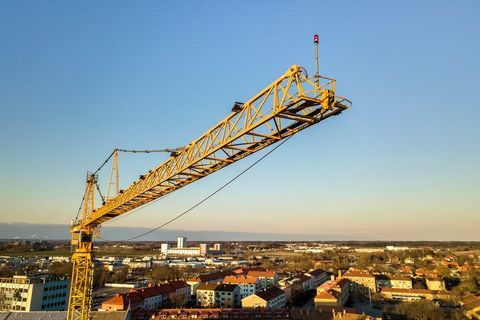
Tower crane rentals involve the temporary use of tall lifting equipment for construction, infrastructure development, and other projects that require materials to be moved vertically or horizontally. Tower cranes are commonly seen on high-rise buildings, commercial developments, industrial facilities, and large infrastructure sites. Their height, lifting capacity, and reach make them useful when ground-based equipment cannot move heavy materials efficiently.
A typical tower crane consists of a vertical mast, a horizontal jib, a counter-jib, a hoisting mechanism, a slewing unit, and a supporting foundation or anchoring arrangement. Depending on the design, the crane may be fixed to the ground, attached to a building as it rises, or configured for climbing within a structure.
Temporary crane arrangements allow construction teams to plan equipment use around project schedules. The appropriate arrangement depends on building height, lifting requirements, site dimensions, ground conditions, surrounding structures, and the expected duration of construction activities.
Common Types of Tower Cranes
Different tower crane configurations support different construction requirements.
Hammerhead tower cranes: Feature a horizontal jib and are commonly used on large building projects where lifting and positioning materials across a broad working area are necessary.
Luffing jib tower cranes: Allow the jib angle to change, helping the crane operate in confined urban areas with limited space for horizontal movement.
Self-erecting tower cranes: Can assemble themselves through built-in mechanisms and are often used on smaller construction projects.
Flat-top tower cranes: Have a simplified upper structure that can be useful when several cranes operate close together.
Climbing tower cranes: Increase their working height as a building progresses, using specialized climbing equipment and structural connections.
How Tower Crane Rental Arrangements Work
A tower crane arrangement generally involves equipment selection, transportation planning, foundation preparation, erection, testing, operation, maintenance, and dismantling.
The project team must establish the crane's required lifting capacity and operating radius before selecting a model. These factors determine whether the equipment can safely lift materials at the required distance from the mast.
Rental arrangements may cover different combinations of equipment, operator support, erection, dismantling, inspections, and maintenance. The exact responsibilities should be documented before the crane is installed.
Why Tower Crane Rentals Matter in Construction
Tower cranes play an important role in modern construction because buildings increasingly require materials to be moved to elevated floors and across large work areas. Concrete components, reinforcement steel, formwork, structural sections, and other building materials may need precise positioning throughout the construction process.
Benefits for Construction Planning
Temporary crane use can help project teams coordinate equipment requirements with specific construction phases. Instead of maintaining the same equipment throughout every stage of a project, planners can evaluate when a tower crane is necessary and how long it should remain operational.
Important considerations include:
Project scheduling: Aligning crane installation and operation with the building programme.
Lifting capacity: Ensuring loads remain within the manufacturer's rated capacity at the required working radius.
Site productivity: Coordinating material movements with construction crews and delivery schedules.
Space management: Selecting a crane configuration suitable for restricted urban sites.
Equipment planning: Considering the expected duration of use, maintenance requirements, and dismantling arrangements.
Industries and Projects That Use Tower Cranes
Tower cranes are widely used in high-rise residential buildings, commercial towers, hospitals, hotels, industrial facilities, and major infrastructure developments. They may also support projects involving precast concrete elements and large structural assemblies.
Their usefulness depends on the nature of the work. Smaller buildings or sites with limited lifting requirements may be better suited to mobile cranes or other material-handling equipment.
Important Technical Factors
Crane selection should consider more than maximum lifting capacity. The rated load can change according to the working radius, jib configuration, lifting height, and operating conditions.
Wind exposure, ground stability, foundation design, nearby power lines, and the movement of other cranes also affect safe operation. These factors should be assessed during construction planning rather than after equipment installation.
Recent Trends in Tower Crane Rental and Technology
During 2025 and 2026, construction equipment planning continued to reflect wider industry interest in digital monitoring, connected machinery, energy efficiency, and improved site safety. The extent of adoption varies by region, contractor, equipment manufacturer, and project type.
Digital Crane Monitoring
Modern crane monitoring systems can record operating hours, lifting activity, equipment status, and selected safety parameters. Depending on the equipment, sensors may help operators and maintenance teams identify abnormal conditions or plan inspections.
Digital records can also help project managers coordinate equipment availability and review operating patterns. However, monitoring technology does not replace trained operators, required inspections, or the crane manufacturer's operating instructions.
Remote Monitoring and Automation
Some advanced crane systems incorporate remote diagnostics, anti-collision technology, load monitoring, and assistance features for positioning loads. These systems can help operators maintain awareness of nearby equipment and site conditions.
Automation capabilities differ significantly between crane models. Construction teams should verify the actual functions available on a particular machine instead of assuming every tower crane includes the same technology.
Energy Efficiency and Electrification
Electric tower cranes are widely used where suitable electrical infrastructure is available. Their operation can reduce direct exhaust emissions at the equipment location compared with diesel-powered alternatives, although total environmental impacts depend on electricity generation, transportation, and other project activities.
Construction planners are also examining energy management, efficient motor systems, and equipment scheduling to reduce unnecessary operating time.
Data-Driven Maintenance
Equipment operators increasingly use maintenance records and operating data to identify recurring problems and plan preventive work. Inspections may focus on brakes, wire ropes, limit switches, electrical systems, structural components, and other critical parts.
Predictive maintenance tools can supplement established maintenance programmes, but equipment must still meet applicable inspection and safety requirements.
Tower Crane Safety Laws and Regulations
Tower crane operation is governed by workplace safety rules, construction regulations, equipment standards, and local permitting requirements. Applicable obligations vary according to the country, project location, crane configuration, and type of construction activity.
Tower Crane Regulations in India
In India, tower crane operations must be planned in accordance with applicable occupational safety legislation, construction requirements, and relevant state and local rules.
The Building and Other Construction Workers (Regulation of Employment and Conditions of Service) Act, 1996, together with applicable rules, established requirements concerning construction worker safety and working conditions. India enacted the Occupational Safety, Health and Working Conditions Code, 2020, as part of its labour law reforms. The applicable legal framework and commencement provisions should be verified for the project location and date.
The Bureau of Indian Standards (BIS) publishes technical standards relevant to cranes, lifting equipment, structural design, and safety. The specific standard applicable to a tower crane depends on its design and intended use.
Construction teams should also verify requirements issued by relevant state authorities, local building bodies, and electrical safety authorities where applicable.
Core Safety Responsibilities
Before a tower crane is erected or operated, the project team should establish clear responsibilities for the owner, equipment provider, erection crew, operator, lifting supervisor, and site management.
Important safety measures include:
Preparing a suitable foundation and verifying ground-bearing conditions.
Ensuring erection and dismantling are performed by competent personnel.
Inspecting structural connections, wire ropes, brakes, and lifting accessories.
Confirming that the crane's load chart and operating instructions are available.
Establishing procedures for wind limits, lightning, and severe weather.
Maintaining safe clearance from overhead power lines and nearby structures.
Using appropriate communication methods between operators and ground personnel.
Preventing unauthorized access to hazardous lifting areas.
A crane should not operate beyond its rated capacity or outside the manufacturer's specified operating conditions.
Tools and Resources for Tower Crane Planning
Several technical resources help construction teams assess crane suitability, estimate lifting requirements, and maintain safety records.
Useful Planning Tools
Tower crane load charts: Identify rated lifting capacity at different working radii and configurations.
Crane radius calculators: Help estimate the horizontal reach required for material placement.
Lifting plan templates: Document load weights, lifting points, crane configuration, personnel responsibilities, and exclusion zones.
Construction scheduling software: Coordinates crane availability with deliveries, structural work, and other site activities.
Wind monitoring instruments: Help teams compare measured conditions with the crane manufacturer's operating limits.
Inspection checklists: Record equipment condition, defects, maintenance activities, and required corrective actions.
Building Information Modeling (BIM): Supports three-dimensional site planning and assessment of crane positions, building geometry, and potential conflicts.
Tower Crane Planning Comparison
| Planning factor | Key consideration | Purpose |
|---|---|---|
| Lifting capacity | Load weight and working radius | Prevent overloading |
| Hook height | Building height and future construction stages | Support material placement |
| Jib length | Site coverage and surrounding obstacles | Define working area |
| Foundation | Ground conditions and structural loads | Maintain stability |
| Wind conditions | Manufacturer's operating limits | Support safe operation |
| Project duration | Installation, operation, and removal schedule | Coordinate equipment planning |
Tools and calculations should be reviewed by competent engineering and lifting personnel. Software estimates alone are not sufficient to establish that a crane configuration or lifting operation is safe.
Frequently Asked Questions
What determines the right tower crane for a construction project?
The main factors include maximum load weight, working radius, hook height, site dimensions, foundation conditions, surrounding structures, and the project's lifting schedule. A competent crane specialist should assess these requirements before equipment selection.
How long can a tower crane remain on a construction site?
The period depends on the construction programme, crane configuration, installation requirements, and project conditions. Some cranes remain in place for several months, while large developments may require them for longer periods. The schedule should include installation, inspection, operation, and dismantling.
Is a tower crane operator required to have formal training?
Tower crane operators need appropriate training, demonstrated competence, and any qualifications or authorizations required by the applicable jurisdiction. Employers should verify operator competency and ensure that personnel understand the specific crane model and its operating procedures.
What affects tower crane lifting capacity?
Lifting capacity depends on the crane's design, working radius, jib configuration, load characteristics, and operating conditions. The rated capacity shown on the load chart must be followed, including any restrictions specified by the manufacturer.
What safety checks are important before operating a tower crane?
Checks generally include the crane's structural condition, foundation and anchorage, brakes, wire ropes, lifting accessories, limit devices, communication systems, and weather conditions. Required inspections and testing must follow applicable regulations, manufacturer guidance, and the site's lifting plan.
Conclusion
Tower crane rentals are an important part of construction planning for projects that require the movement of heavy materials at height. Different crane configurations support different site conditions, building heights, and lifting requirements.
Successful crane planning depends on evaluating load capacity, working radius, foundation design, installation arrangements, operating conditions, and project scheduling. Digital monitoring and improved maintenance practices can support equipment management, while established safety procedures remain essential.
By combining appropriate equipment selection, competent personnel, careful lifting plans, and compliance with applicable regulations, construction teams can manage tower crane operations more effectively and support safer project execution.

Related Post...
Discover How Tower Crane Rentals Support Efficient High-Rise Construction Projects
Updated: October 26, 2026
Read More
Explore Private Jet Rentals: Travel Options, Aircraft Types, and Flight Experiences
Updated: October 26, 2026
Read More
Insights Into Charter Plane Rentals and the Future of Private Aviation
Updated: October 26, 2026
Read More