Discover Dubai Desert Safaris: A Complete Overview of Tours and Activities
Dubai desert safaris are outdoor tourism experiences that introduce visitors to the landscapes, wildlife, traditions and recreational activities of the Arabian Desert. They are an important part of Dubai's tourism industry, combining natural exploration with cultural experiences and adventure activities.
The desert surrounding Dubai features extensive sand dunes, open landscapes and distinctive desert ecosystems. These environments provide opportunities to understand the geography and climate of the United Arab Emirates (UAE), particularly the relationship between desert communities and their natural surroundings.
A typical desert safari may include activities such as:
Dune driving: Travelling across sand dunes in specially equipped four-wheel-drive vehicles.
Camel riding: Experiencing a traditional form of desert transportation.
Sandboarding: Sliding down sandy slopes using specially designed boards.
Desert photography: Capturing landscapes, sunsets and natural features.
Cultural experiences: Learning about traditional Emirati food, clothing, music and hospitality.
Wildlife observation: Understanding the animals and plants adapted to desert conditions.
Different safari experiences take place in different desert areas. Some focus on adventure and recreational activities, while others emphasize environmental education, cultural heritage and peaceful nature exploration.
The climate strongly influences these activities. Summers are extremely hot, while cooler months generally provide more comfortable conditions for spending time outdoors. Consequently, seasonal weather plays an important role in planning desert visits.
Why Dubai Desert Safaris Are Important
Desert safaris contribute to Dubai's tourism economy by connecting visitors with natural landscapes and traditional Emirati culture. They also help diversify tourism activities beyond shopping districts, modern architecture, beaches and entertainment attractions.
Economic importance
Tourism activities create demand for trained drivers, guides, hospitality professionals, camp coordinators and transportation providers. Desert tourism also supports related industries, including vehicle maintenance, food preparation, accommodation and cultural entertainment.
Cultural importance
Visitors can learn about traditional desert lifestyles and the historical importance of camels, falconry, Arabic hospitality and Bedouin heritage. These experiences provide a better understanding of how communities historically adapted to limited water resources and challenging environmental conditions.
Environmental importance
Desert tourism can also encourage awareness of fragile ecosystems. Guided visits to protected landscapes introduce visitors to native plants, desert animals and conservation programmes.
For example, the Dubai Desert Conservation Reserve is home to wildlife such as Arabian oryx, gazelles, foxes and numerous bird and reptile species. Dubai Municipality identifies 562 known wildlife species within the reserve.
Who benefits from desert tourism?
International tourists interested in outdoor recreation and cultural exploration.
Families looking for activities that introduce children to desert environments.
Nature enthusiasts interested in wildlife and conservation.
Photographers exploring desert landscapes and natural lighting.
Local tourism businesses and professionals.
Educational groups studying ecology, geography and regional heritage.
Recent Developments and Tourism Trends
Dubai's tourism industry has continued to expand, with growing attention to visitor experiences, environmental responsibility and international tourism development.
Dubai's international tourism growth
On 9 February 2026, Dubai's Department of Economy and Tourism reported that the emirate welcomed 19.59 million international overnight visitors during 2025, representing a 5% increase compared with 18.72 million in 2024. This reflects the wider growth of Dubai's tourism sector and its international appeal.
Changing interest in desert experiences
Tourism research published by Dubai's Department of Economy and Tourism showed that 43% of international visitors experienced desert safaris in 2024, compared with 48% in 2023. The figures indicate that desert activities remain an important part of Dubai's tourism landscape, although visitor interests are also expanding towards other nature-based attractions.
Greater attention to sustainable tourism
Environmental awareness is becoming increasingly relevant to desert tourism. Protected areas, wildlife conservation and responsible visitor behaviour are important considerations when developing outdoor experiences.
Some notable trends include:
Smaller guided groups with greater attention to natural surroundings.
Increased interest in wildlife observation and photography.
More educational experiences explaining desert ecosystems.
Greater awareness of responsible driving across sand dunes.
Growing interest in traditional Emirati heritage and cultural activities.
Increased attention to waste management and environmental protection.
Technology in desert exploration
Digital maps, online reservation platforms, weather applications and electronic permits are becoming increasingly important in tourism operations. These technologies help visitors understand their travel arrangements and help authorised operators manage vehicles, drivers and desert activities.
Laws, Regulations and Government Policies
Dubai desert safaris operate under tourism, transportation, environmental protection and public safety regulations established by relevant UAE and Dubai authorities. These rules help protect visitors, tourism professionals and the natural environment.
Tourism business licensing
The Dubai Department of Economy and Tourism (DET) regulates tourism businesses operating in the emirate. Companies organising desert safaris must follow the applicable licensing and permit requirements.
Important requirements include:
Tourism businesses must hold the appropriate authorisation to organise safari activities.
Safari vehicles must be officially licensed and registered.
Drivers must complete the required tourism training and obtain the relevant permits.
Desert camps must receive the necessary approvals before operating.
Operators must follow applicable safety and operational standards.
According to DET's published requirements, safari drivers must complete mandatory tourism training and obtain an RTA Safari Driver Permit. The department also provides electronic systems for registering drivers and vehicles and managing permits.
Desert driving regulations
Desert driving requires specialised skills because sand conditions can change quickly. Drivers operating tourist desert vehicles must satisfy the relevant qualification and permit requirements.
Dubai's Administrative Resolution No. 146 of 2019 establishes requirements for desert driving permits, including a valid UAE driving licence, medical fitness, minimum age requirements and successful completion of a desert driving test.
Visitors should also follow basic safety precautions:
Use authorised safari operators.
Follow the driver's instructions during dune driving.
Wear seat belts throughout vehicle journeys.
Avoid leaving designated vehicles or groups without guidance.
Follow instructions during sandboarding and other outdoor activities.
Carry drinking water and appropriate sun protection.
Environmental protection policies
Dubai has established protected areas to conserve desert ecosystems and native wildlife. The Dubai Desert Conservation Reserve and Al Marmoom Desert Conservation Reserve are examples of areas where environmental protection is an important priority.
Dubai Municipality manages protected areas under Local Order No. 11 of 2003, which concerns the establishment of protected areas in the emirate.
Activities that damage vegetation, disturb wildlife, pollute the environment or damage geological formations are restricted or prohibited under applicable conservation rules.
Visitors exploring protected desert areas should:
Remain on authorised routes.
Avoid disturbing birds, reptiles and other wildlife.
Never remove plants, rocks or natural materials.
Dispose of waste appropriately.
Avoid unnecessary noise.
Follow instructions displayed within conservation areas.
These measures help maintain the ecological balance of desert environments while allowing responsible nature-based tourism.
Helpful Tools and Resources for Desert Safari Planning
Planning a desert safari requires attention to weather conditions, transportation, safety, activity selection and local regulations. Several digital resources can help visitors prepare.
Tool or resource | Main purpose |
|---|---|
Visit Dubai | General tourism information and destination guidance |
Dubai DET | Tourism regulations and operator information |
Dubai Municipality | Protected areas and environmental information |
UAE National Center of Meteorology | Weather forecasts and warnings |
Google Maps | Navigation and location planning |
Google Translate | Basic communication and language assistance |
Dubai Police | Public safety information and emergency guidance |
Smartphone camera | Landscape photography and travel memories |
Useful planning considerations
Before travelling, visitors should check the expected temperature, wind conditions and weather warnings. Sandstorms and extreme heat can affect outdoor activities and travel arrangements.
A smartphone with offline maps can be helpful in areas with limited mobile connectivity. However, visitors should not depend entirely on digital navigation when travelling through remote desert landscapes.
It is also useful to prepare suitable clothing, comfortable footwear, sunglasses, sunscreen and drinking water. During cooler months, a light jacket may be appropriate for evening activities.
For families, checking age restrictions and activity requirements in advance can help identify suitable experiences. Visitors with mobility requirements should also confirm whether the planned activities and transportation arrangements are appropriate.
Frequently Asked Questions About Dubai Desert Safaris
1. What is the best time of year for a Dubai desert safari?
The cooler months, generally from November to March, are usually more comfortable for outdoor desert activities. Temperatures are lower than during the summer, making morning and evening excursions more suitable for many visitors.
2. What activities are commonly included in a Dubai desert safari?
Common activities include dune driving, camel riding, sandboarding, desert photography and cultural experiences. Some itineraries also include traditional food, falconry demonstrations and evening entertainment, depending on the location and programme.
3. Are Dubai desert safaris suitable for families?
Many desert safari experiences are designed for families, although suitability depends on the activities selected. Families with young children should check age restrictions, vehicle safety arrangements and activity requirements before planning their visit.
4. What wildlife can visitors see in Dubai's desert?
Dubai's desert environments support Arabian oryx, gazelles, desert foxes, lizards and various bird species. Wildlife sightings depend on the location, season and environmental conditions. Visitors should observe animals from a respectful distance without feeding or disturbing them.
5. What safety precautions should visitors follow during a desert safari?
Visitors should use authorised operators, wear seat belts, follow driver instructions and remain hydrated. Appropriate clothing, sunscreen and sunglasses are also important. During extreme weather or sandstorms, visitors should follow official safety guidance and any changes to scheduled outdoor activities.
Conclusion
Dubai desert safaris provide an opportunity to explore the natural environment, cultural heritage and recreational landscape of the United Arab Emirates. Activities such as dune driving, camel riding, sandboarding and wildlife observation introduce visitors to different aspects of desert life.
The industry also contributes to tourism development by supporting local businesses, transportation, hospitality and cultural activities. At the same time, tourism growth requires responsible environmental management and compliance with local regulations.
Understanding seasonal weather, safety requirements, tourism permits and conservation policies helps visitors make informed decisions. With appropriate planning and respect for the natural surroundings, desert safaris can remain an important part of Dubai's tourism identity while supporting the long-term protection of its desert ecosystems.

Related Post...

Art Gallery Shopping Holidays: Tips for Discovering Unique Galleries Worldwide
Updated: November 24, 2026
Read More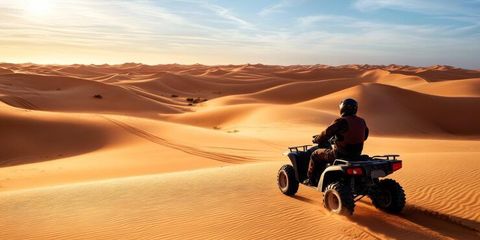
Discover Dubai Desert Safaris: A Complete Overview of Tours and Activities
Updated: November 25, 2026
Read More