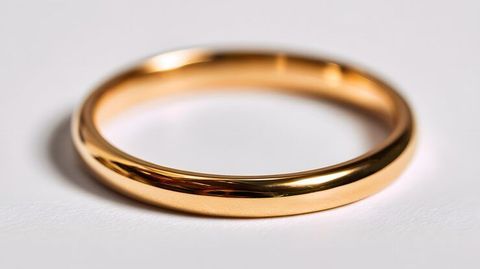
Designer Cocktail Rings: Key Insights into Gemstones, Cuts, and Settings
Designer cocktail rings are distinctive pieces of jewellery created to make a strong visual impression. They are generally larger and more decorative than traditional everyday rings, often featuring colourful gemstones, intricate metalwork, unusual settings and artistic shapes. Their designs combine jewellery craftsmanship with personal expression.
The popularity of cocktail rings developed during the early twentieth century, particularly during the 1920s. Social gatherings and evening events created interest in bold accessories that could complement formal clothing. Over time, these rings became associated with individual style, creative design and decorative jewellery traditions.
Today, designer cocktail rings are available in different styles, from traditional gemstone arrangements to contemporary geometric designs. They may feature diamonds, sapphires, emeralds, rubies, amethysts, tourmalines and other decorative stones.
What Makes a Cocktail Ring Different?
A cocktail ring is generally distinguished by its noticeable appearance rather than a particular gemstone or metal. Unlike simple bands, these designs often have prominent centrepieces and decorative details.
Common characteristics include:
Large centre stones: A prominent gemstone or diamond arrangement forms the main visual feature.
Detailed settings: Prong, bezel, halo and cluster settings help hold gemstones in position.
Distinctive shapes: Floral, geometric, abstract and vintage-inspired patterns are frequently used.
Decorative metals: Gold, platinum and other jewellery metals provide different finishes.
Colour combinations: Multiple gemstones can create contrasting or complementary colour patterns.
The overall design depends on the designer's creative approach, gemstone selection and jewellery-making techniques.
Popular Materials Used in Designer Cocktail Rings
The materials used influence a ring's appearance, durability, maintenance requirements and overall design.
Material | Main characteristics | Common applications |
|---|---|---|
Yellow gold | Warm colour and traditional appearance | Vintage and classic designs |
White gold | Bright, silvery appearance | Diamond and gemstone settings |
Rose gold | Pinkish colour | Contemporary and romantic designs |
Platinum | Dense, naturally white precious metal | Fine jewellery settings |
Sterling silver | Bright appearance and versatility | Decorative and artistic rings |
Titanium | Lightweight and durable | Contemporary designs |
Gemstones also contribute significantly to the character of a cocktail ring. Diamonds are associated with brilliance, while coloured gemstones introduce different visual effects.
Common Gemstones in Cocktail Jewellery
Emeralds: Known for their green colour and traditional association with fine jewellery.
Sapphires: Available in blue and several other colours, depending on their mineral composition.
Rubies: Recognised for their red appearance and association with corundum.
Amethysts: Purple quartz gemstones frequently used in decorative jewellery.
Tourmalines: Available in a broad range of colours, including green, pink and blue.
Diamonds: Valued for their hardness, light performance and established jewellery applications.
Importance of Designer Cocktail Rings in Modern Jewellery
Designer cocktail rings have an important place in contemporary fashion because they combine decorative craftsmanship, gemstone knowledge and individual styling. They are worn at formal occasions, celebrations, cultural events and, increasingly, as distinctive accessories in everyday outfits.
Personal Expression and Fashion Identity
Jewellery can communicate personal preferences through colour, shape, material and design. Cocktail rings provide a particularly noticeable way to express these preferences.
Different design choices can reflect different styles:
Vintage-inspired rings appeal to people who appreciate traditional jewellery patterns.
Contemporary geometric rings suit those interested in structured and modern designs.
Floral gemstone rings incorporate natural shapes and decorative details.
Minimalist statement rings combine large proportions with relatively simple settings.
Multicoloured gemstone rings introduce contrasting shades and creative combinations.
Craftsmanship and Jewellery Design
Creating a designer cocktail ring involves several stages of technical and artistic work. Jewellery designers consider the relationship between gemstone proportions, metal strength, setting security and overall appearance.
Important craftsmanship techniques include:
Stone cutting: Gemstones are shaped and polished to influence their brilliance, colour and visual proportions.
Metal casting: Precious metals are formed into the basic structure of the ring.
Stone setting: Gemstones are secured using appropriate setting techniques.
Surface finishing: Polishing, engraving and texturing create the final appearance.
Quality inspection: The finished jewellery is examined for structural consistency and setting security.
Importance of Gemstone Quality
Gemstone quality is another important consideration in designer cocktail rings. Four commonly recognised characteristics are colour, clarity, cut and carat weight.
Quality factor | What it describes | Why it matters |
|---|---|---|
Colour | Hue, tone and saturation | Influences visual appearance |
Clarity | Internal and external characteristics | Helps describe gemstone condition |
Cut | Shape and cutting proportions | Affects light performance |
Carat weight | Gemstone weight | Helps establish stone specifications |
These characteristics are not equally important for every gemstone. For example, colour is particularly significant when evaluating emeralds, rubies and sapphires, while diamond grading uses a more established combination of the four characteristics.
Durability and Everyday Practicality
A visually impressive ring also needs to suit its intended use. Some gemstones are more resistant to scratches than others, and raised settings may require additional care.
The Mohs hardness scale is commonly used to describe a mineral's resistance to scratching.
Gemstone | Approximate Mohs hardness |
|---|---|
Diamond | 10 |
Ruby | 9 |
Sapphire | 9 |
Emerald | 7.5–8 |
Amethyst | 7 |
Opal | 5–6.5 |
Hardness does not measure resistance to breaking. Emeralds, for example, can contain natural inclusions and may require careful handling despite their relatively high hardness.
Recent Designer Cocktail Ring Trends and Developments
During 2025 and 2026, fine jewellery design has increasingly highlighted expressive colours, individual styling, sculptural shapes and distinctive gemstone arrangements. These developments are relevant to cocktail rings because their traditional design already focuses on prominent decorative elements.
Bold Gemstones and Colourful Designs
Coloured gemstones have continued to attract attention in contemporary fine jewellery. Emerald green, sapphire blue, ruby red, pink tourmaline and unusual gemstone combinations are appearing in modern design discussions.
The 2025 Fine Jewelry Trend Report highlighted vibrant colours, mixed gemstone cuts and bold silhouettes as important design directions. These ideas support the continued interest in distinctive statement rings.
Sculptural and Architectural Ring Designs
Another noticeable direction is the use of sculptural forms. Designers are experimenting with irregular shapes, curved metal structures, asymmetrical settings and three-dimensional surfaces.
These designs can create a strong visual impression without relying exclusively on large gemstones. Some rings use polished gold surfaces, while others incorporate textured or openwork metal structures.
Vintage-Inspired Jewellery
Vintage-inspired designs remain relevant in contemporary jewellery collections. Art Deco patterns, floral arrangements, antique-style settings and heirloom-inspired details are being adapted through modern manufacturing techniques.
This approach combines traditional visual references with updated proportions and gemstone combinations.
Statement Pieces and Individual Styling
Fashion coverage published in 2026 has highlighted a shift towards substantial individual jewellery pieces rather than relying entirely on layered accessories. Sculptural forms and colourful statement designs are part of this direction.
Other developments include:
Mixed-metal combinations featuring yellow gold and white metals.
Asymmetrical gemstone arrangements.
Larger cabochon-cut gemstones.
Modern interpretations of Art Deco jewellery.
Personalised designs incorporating meaningful colours and motifs.
Greater attention to gemstone origin and material transparency.
These are observed design directions rather than requirements that every designer or jewellery collection must follow.
Laws, Regulations and Jewellery Standards
Designer cocktail rings are affected by jewellery labelling rules, precious metal standards, gemstone disclosure requirements and consumer protection regulations. Requirements differ between countries, so manufacturers, retailers and consumers should understand the rules applicable to their location.
Precious Metal Purity and Hallmarking
Hallmarking identifies the purity or fineness of precious metals used in jewellery. It helps distinguish the actual metal content from general descriptions.
Examples of commonly recognised gold purity markings include:
Gold purity | Fineness | Gold content |
|---|---|---|
24 karat | 999 | 99.9% |
22 karat | 916 | 91.6% |
18 karat | 750 | 75.0% |
14 karat | 585 | 58.5% |
9 karat | 375 | 37.5% |
In India, the Bureau of Indian Standards (BIS) administers the gold hallmarking framework. The Hallmark Unique Identification (HUID) number can be checked through the BIS Care application. BIS also provides procedures for jewellery purity verification and consumer protection.
Gemstone Disclosure Regulations
Gemstone descriptions must accurately represent the materials used. Natural, laboratory-grown, treated and imitation gemstones are different categories and should not be described interchangeably.
In the United States, the Federal Trade Commission (FTC) Jewelry Guides provide guidance on accurate descriptions of precious metals, gemstones, laboratory-created stones and gemstone treatments.
The guidelines address disclosures relating to treatments that affect gemstone durability, maintenance requirements or value.
Consumer Protection and International Standards
Different jurisdictions have their own frameworks for jewellery identification and consumer protection.
Important considerations include:
Accurate descriptions of precious metal purity.
Clear identification of laboratory-grown gemstones.
Appropriate disclosure of gemstone treatments.
Transparent product specifications and gemstone characteristics.
Compliance with applicable hallmarking and advertising requirements.
Accurate representation of gemstone origin where origin claims are made.
International gemmological laboratories also provide grading, identification and gemstone analysis reports. However, the availability and legal recognition of these reports vary by jurisdiction.
Tools and Resources for Designer Cocktail Rings
Several professional resources and digital tools help people understand gemstone characteristics, jewellery design, metal purity and ring measurements.
Gemstone Identification and Grading Resources
Gemological Institute of America (GIA)
GIA provides educational material about diamonds, coloured gemstones, gemstone identification and grading principles. Its resources help readers understand gemstone characteristics and laboratory reports.
International Gemological Institute (IGI)
IGI provides information about gemstone identification, diamond grading and jewellery-related laboratory documentation.
American Gem Society (AGS)
AGS provides educational resources concerning diamond quality, gemstone knowledge and jewellery grading practices.
Jewellery Design Software
Computer-aided design tools are widely used in contemporary jewellery manufacturing.
Tool | Main purpose |
|---|---|
Rhino 3D | Three-dimensional jewellery modelling |
MatrixGold | Specialised jewellery design |
Blender | General 3D modelling and visualisation |
JewelCAD | Computer-aided jewellery design |
ZBrush | Detailed sculptural modelling |
These applications allow designers to examine ring proportions, gemstone placement and metal structures before physical production.
Practical Jewellery Resources
Other useful resources include:
Ring size calculators: Help estimate appropriate ring dimensions.
Mohs hardness charts: Explain differences in mineral scratch resistance.
Gemstone care guides: Provide information about cleaning and storage.
Metal purity calculators: Help understand precious metal fineness.
Jewellery inventory templates: Organise gemstone descriptions, metal specifications and design details.
BIS Care application: Supports verification of applicable Indian gold hallmarks.
Frequently Asked Questions
1. What is a designer cocktail ring?
A designer cocktail ring is a decorative statement ring characterised by a prominent gemstone, distinctive shape or elaborate metalwork. It is generally designed to create a noticeable visual effect and may feature precious metals, diamonds or colourful gemstones.
2. Which gemstones are commonly used in designer cocktail rings?
Common choices include diamonds, emeralds, rubies, sapphires, amethysts, tourmalines and topaz. The selection depends on the desired colour, design, gemstone characteristics and intended use.
3. What is the difference between a cocktail ring and a traditional ring?
Traditional rings often feature relatively simple bands or understated gemstone arrangements. Cocktail rings usually have larger decorative elements, prominent centrepieces and more elaborate settings. However, there is no single universal design specification that separates every cocktail ring from other statement rings.
4. Are cocktail rings suitable for everyday wear?
Some cocktail rings can be worn regularly, but suitability depends on gemstone hardness, setting height, metal construction and lifestyle. Lower-profile settings may be more practical for frequent wear, while delicate gemstones may require additional care.
5. How can gemstone authenticity be evaluated?
Gemstone authenticity can be evaluated through professional gemmological examination and appropriate laboratory reports. Buyers should review gemstone identification, treatment disclosures and metal purity documentation. Visual appearance alone cannot reliably establish whether a gemstone is natural, laboratory-grown or imitation.
Conclusion
Designer cocktail rings represent an important combination of jewellery craftsmanship, gemstone knowledge and contemporary fashion. Their distinctive appearance comes from creative gemstone arrangements, precious metal combinations, detailed settings and artistic proportions.
Developments during 2025 and 2026 demonstrate continued interest in colourful gemstones, sculptural structures, vintage-inspired details and individual statement jewellery. At the same time, accurate gemstone identification, precious metal hallmarking and transparent material descriptions remain important considerations.
Understanding these design characteristics, technical processes and regulatory requirements provides a useful foundation for exploring designer cocktail rings. Whether viewed as decorative accessories, examples of fine craftsmanship or expressions of personal style, these rings continue to occupy a distinctive position in the international jewellery industry.

Related Post...
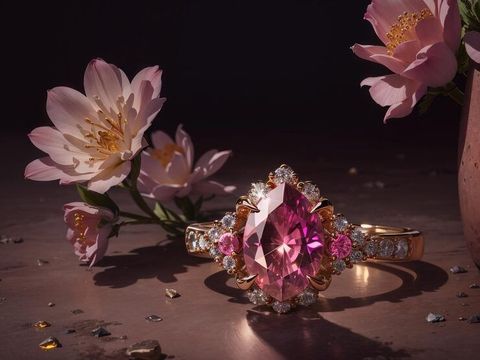
Designer Cocktail Rings: Key Insights into Gemstones, Cuts, and Settings
Updated: November 03, 2026
Read More
Explore Diamond Jewellery: Latest Designs, Popular Styles & Buying Guide
Updated: October 30, 2026
Read More
Tips for Understanding Black Enamel Jewellery Styles and Finishes
Updated: November 02, 2026
Read More