Adventure Camp Accommodations: Tips for Choosing the Right Outdoor Stay
Adventure camp accommodations are places where travelers, outdoor enthusiasts, students, families, and organized groups stay while participating in outdoor activities. These accommodations range from basic tent campsites and wilderness shelters to cabins, eco-lodges, glamping tents, and structured adventure camp facilities.
They are designed to provide shelter, rest, and essential amenities while allowing visitors to spend time in natural environments. Depending on the location, accommodations may be situated near forests, mountains, lakes, rivers, coastal areas, or national parks.
The type of accommodation available depends on the landscape, climate, infrastructure, visitor requirements, and level of comfort expected. Some camps prioritize simplicity and direct contact with nature, while others provide electricity, private bathrooms, prepared meals, and organized recreational facilities.
Common Types of Adventure Camp Accommodations
Different accommodation types suit different activities, group sizes, and levels of outdoor experience.
Tent campsites: Designated areas where visitors pitch tents or use tents provided by a camp operator. Facilities may include shared toilets, drinking water points, and cooking areas.
Adventure cabins: Small structures that provide greater protection from weather and may include beds, lighting, and basic furniture.
Glamping tents: Larger tents with enhanced furnishings, insulation, and, in some locations, private bathrooms.
Eco-lodges: Buildings designed to accommodate visitors while considering local environmental conditions and resource use.
Wilderness shelters: Simple structures intended to provide protection along hiking routes or in remote outdoor areas.
Group dormitories: Shared indoor sleeping facilities commonly used by educational groups, outdoor clubs, and organized expeditions.
Recreational vehicle camping areas: Designated spaces for campervans, motorhomes, or trailers, sometimes with electrical connections and sanitation facilities.
Choosing an Appropriate Accommodation Type
Selecting suitable outdoor lodging requires more than comparing comfort levels. Visitors should consider accessibility, weather exposure, sanitation, emergency arrangements, and proximity to planned activities.
For example, a family visiting a managed forest camp may prefer a cabin with nearby facilities. Experienced hikers may choose a designated tent campsite, while school groups may benefit from dormitories with supervised common areas.
The intended activity also matters. Water-based adventures require attention to flood risks, while mountain camps need to consider temperature changes, strong winds, and access to emergency assistance.
Why Adventure Camp Accommodations Matter Today
Outdoor recreation has become an important part of travel, education, family activities, and personal wellness. Adventure camps give people opportunities to experience natural environments, develop practical skills, and participate in activities such as hiking, kayaking, wildlife observation, climbing, and wilderness navigation.
Suitable accommodation helps make these experiences safer and more organized. It provides a place to sleep, store essential equipment, recover after physical activity, and prepare for changing weather conditions.
Who Uses Adventure Camp Accommodations?
Adventure camp lodging serves a wide range of visitors, including:
Families: Looking for outdoor experiences with appropriate sleeping arrangements and sanitation.
Students: Participating in educational camps, nature studies, and supervised outdoor programs.
Hikers and trekkers: Requiring overnight accommodation near established trails.
Corporate and community groups: Organizing outdoor teamwork activities and group recreation.
Wildlife enthusiasts: Staying near designated nature reserves and observation areas.
Adventure travelers: Combining outdoor activities with camping, kayaking, climbing, or cycling.
Health, Safety, and Environmental Considerations
Well-planned accommodations can improve visitor comfort and reduce preventable risks. Important considerations include clean drinking water, adequate sanitation, food hygiene, ventilation, fire precautions, and reliable communication arrangements.
Environmental protection is equally important. Poorly managed camps can contribute to litter, water contamination, vegetation damage, and disturbance to wildlife.
Responsible camp management may include designated walking paths, waste separation, water conservation, reusable equipment, and restrictions on campfires. Visitors should follow local instructions concerning wildlife encounters, food storage, noise, and waste disposal.
Recent Trends in Adventure Camp Accommodations
During 2025 and 2026, outdoor accommodation planning continued to reflect broader travel trends, including interest in nature-based experiences, flexible accommodation formats, digital trip planning, and environmentally responsible tourism. The popularity and availability of these options vary by destination.
Eco-Friendly Camping and Sustainable Lodging
Environmental considerations are becoming increasingly relevant to the design and management of outdoor accommodation. Some camps are adopting measures intended to reduce resource consumption and protect surrounding habitats.
Examples include:
Solar-powered lighting and selected electrical systems.
Water-saving taps and showers.
Rainwater collection where permitted and appropriate.
Waste sorting and improved sanitation arrangements.
Locally appropriate building materials and low-impact construction.
Reusable dining equipment and reduced single-use packaging.
Sustainable features should be assessed individually rather than assumed from labels such as “eco-camp.” Their actual environmental performance depends on implementation, maintenance, and local conditions.
Digital Planning and Reservation Technology
Digital tools have made it easier for travelers to research campsites, compare accommodation types, review access conditions, and organize outdoor itineraries.
Common developments include online availability calendars, digital check-in processes, mobile maps, weather alerts, and electronic safety instructions. Some campgrounds also provide information about accessible facilities, vehicle restrictions, and seasonal closures.
Digital information should be checked against current local guidance. Remote camps may have limited mobile connectivity, and electronic maps may not reflect temporary trail closures or sudden environmental hazards.
Flexible Accommodation Formats
Adventure destinations increasingly accommodate different visitor preferences through combinations of tents, cabins, shared rooms, and designated vehicle camping areas. This flexibility can help mixed-experience groups plan activities while maintaining suitable sleeping arrangements.
However, more elaborate accommodation does not necessarily mean better safety. Weather protection, emergency access, sanitation, and proper maintenance remain important regardless of the accommodation type.
Laws and Policies Affecting Adventure Camps
Adventure camp accommodations may be subject to land-use regulations, tourism requirements, public health rules, building standards, fire safety provisions, and environmental protection laws. Requirements vary according to whether a camp is located on private land, public land, forest land, protected land, or another regulated area.
Relevant Regulations in India
India has several legal frameworks that may affect outdoor camps and nature-based accommodation.
Environment (Protection) Act, 1986: Provides a framework for environmental protection and for establishing rules to address pollution and environmental harm.
Forest (Conservation) framework: Forest land is subject to specific legal restrictions. Activities involving non-forest use of forest land may require approvals under applicable legislation and rules.
Wild Life (Protection) Act, 1972: Establishes protections for wildlife and protected areas. Accommodation developments and activities within or near protected areas may be subject to specific restrictions and permissions.
Coastal Regulation Zone notifications: Camps and temporary structures in regulated coastal areas may face restrictions depending on their location, land classification, and the applicable notification.
Local authorities may also impose requirements concerning building permissions, fire safety, sanitation, drinking water, food preparation, waste management, and tourism registration.
Safety and Responsible Camp Management
Before establishing or visiting an adventure camp, relevant requirements may include:
Confirming that the land is legally available for the intended use.
Checking whether local permissions or tourism registrations are required.
Maintaining suitable fire prevention and evacuation arrangements.
Providing safe drinking water and appropriate sanitation.
Following wildlife protection and waste disposal rules.
Preparing emergency procedures for severe weather and medical incidents.
Visitors should verify the current rules with the relevant state tourism department, local authority, or land manager. Permission to visit a campsite does not automatically authorize construction or commercial accommodation activities.
Tools and Resources for Planning an Outdoor Stay
Planning tools can help travelers select accommodation, prepare equipment, evaluate weather conditions, and reduce avoidable risks.
Useful Digital and Practical Tools
Weather forecasting applications: Help assess rain, wind, temperature, thunderstorms, and other conditions affecting outdoor stays.
Offline navigation maps: Support route planning in areas with limited mobile coverage.
Camping equipment checklists: Help organize sleeping bags, clothing, lighting, food supplies, first-aid materials, and essential tools.
Trip planning spreadsheets: Track group members, accommodation arrangements, travel schedules, equipment, and emergency contacts.
Budget planning calculators: Help estimate the overall expenditure for transport, lodging, meals, equipment, and activities.
First-aid guidance materials: Help visitors prepare for minor injuries and recognize situations requiring professional medical assistance.
Accessibility checklists: Help travelers evaluate paths, washrooms, sleeping arrangements, and other relevant physical access requirements.
Accommodation Comparison Table
Accommodation type | Comfort level | Common setting | Main consideration |
|---|---|---|---|
Tent campsite | Basic to moderate | Forests and designated camping grounds | Weather protection |
Adventure cabin | Moderate | Mountain and woodland camps | Heating and ventilation |
Glamping tent | Moderate to high | Managed nature destinations | Seasonal suitability |
Eco-lodge | Moderate to high | Rural and nature-based destinations | Environmental impact |
Wilderness shelter | Basic | Established hiking routes | Limited facilities |
Group dormitory | Basic to moderate | Educational and organized camps | Privacy and supervision |
The comfort categories are general descriptions rather than official ratings. Actual facilities differ between locations.
Frequently Asked Questions
What should visitors look for in adventure camp accommodations?
Visitors should evaluate sleeping arrangements, weather protection, drinking water, sanitation, emergency access, location, and available facilities. They should also consider the difficulty of planned activities and the experience level of everyone in the group.
Are adventure camp accommodations suitable for families with children?
Many camps accommodate families, but suitability depends on the location and available supervision. Parents should check sleeping arrangements, barriers near water or steep terrain, emergency procedures, sanitation, and age-related activity restrictions before confirming a stay.
What equipment is necessary for an overnight adventure camp?
Typical equipment includes weather-appropriate clothing, suitable footwear, personal medication, a flashlight or headlamp, drinking water, a first-aid kit, and any required sleeping equipment. The exact list depends on the accommodation type, season, and planned activities.
How can visitors reduce environmental damage while camping?
Visitors can remain on designated trails, use approved campsites, carry out their waste, avoid disturbing wildlife, conserve water, and follow local fire restrictions. They should also avoid removing plants, damaging trees, or leaving food where wildlife can reach it.
What is the best season for adventure camping in India?
The appropriate season depends on the region and activity. Winter can be suitable for some desert and lower-altitude destinations, while certain Himalayan routes are more accessible during warmer months. Monsoon conditions can increase the risk of landslides, flooding, and slippery trails. Visitors should review regional forecasts and official safety advisories before travelling.
Conclusion
Adventure camp accommodations provide practical shelter for people exploring natural environments, participating in outdoor recreation, or attending organized group activities. Options range from basic tent campsites and wilderness shelters to cabins, glamping tents, and eco-lodges.
Choosing appropriate accommodation involves balancing comfort, accessibility, environmental responsibility, and safety. Weather conditions, sanitation, emergency planning, and local regulations should all be considered before a trip.
As outdoor travel develops, digital planning tools and environmentally conscious practices can help visitors prepare more effectively. Responsible planning allows travelers to enjoy outdoor experiences while respecting local communities, wildlife, and natural landscapes.

Related Post...
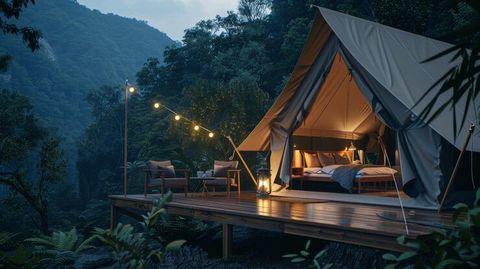
Adventure Camp Accommodations: Tips for Choosing the Right Outdoor Stay
Updated: October 26, 2026
Read More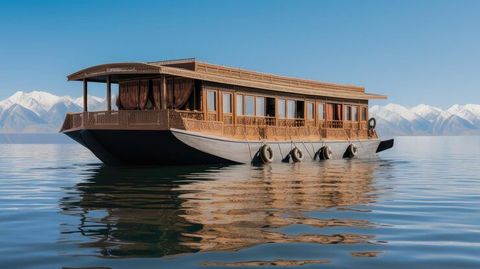
Insights Into Floating Houseboat Stays and Their Growing Travel Appeal
Updated: October 26, 2026
Read More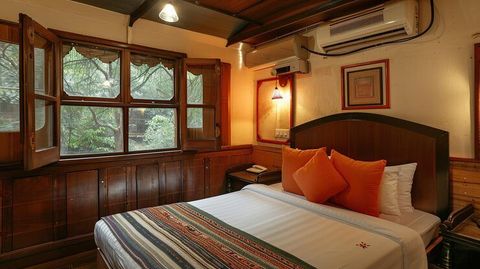
Low-Cost Guesthouses: Insights Into Budget-Friendly Accommodation Options
Updated: October 26, 2026
Read More